the lone stitcher

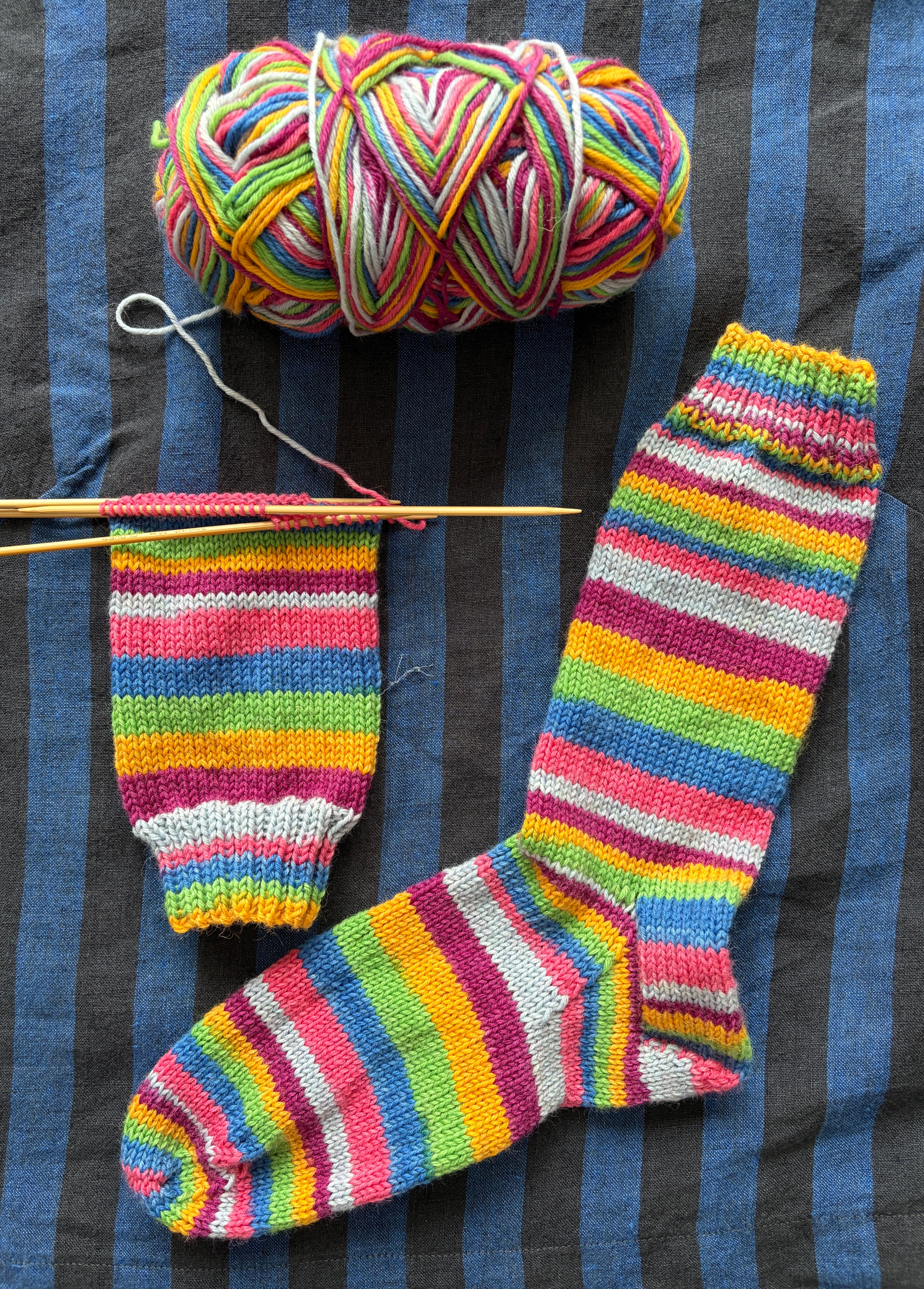
Apart from a little desultory sock-knitting and jam-making, the last two months have been unusually unproductive. Japan, jet lag, Stockholm, illness, convalescence, a full house, and over-heating have all led me to wonder if in fact I’d ever get my creative energy and curiosity back. Maybe I’d used it all up, maybe I just didn’t care, maybe I actually quite fancied spending the rest of my life reading light literature on a metaphorical chaise-longue
asking Simon to peel me a grape.
I even got a little worried. All this sunshine, and I didn’t feel like making cyanotype prints. All the plans I had for a cool linen wardrobe, and every day I was wearing the same two Merchant and Mills Dress Shirts I made six years ago (perfect for feels-like-40C-days). All the plans for binding all the papers and printed material I bought back from Japan, and they sat in a neat pile on my desk. I guess the convalescence bit actually took longer than I’d imagined.
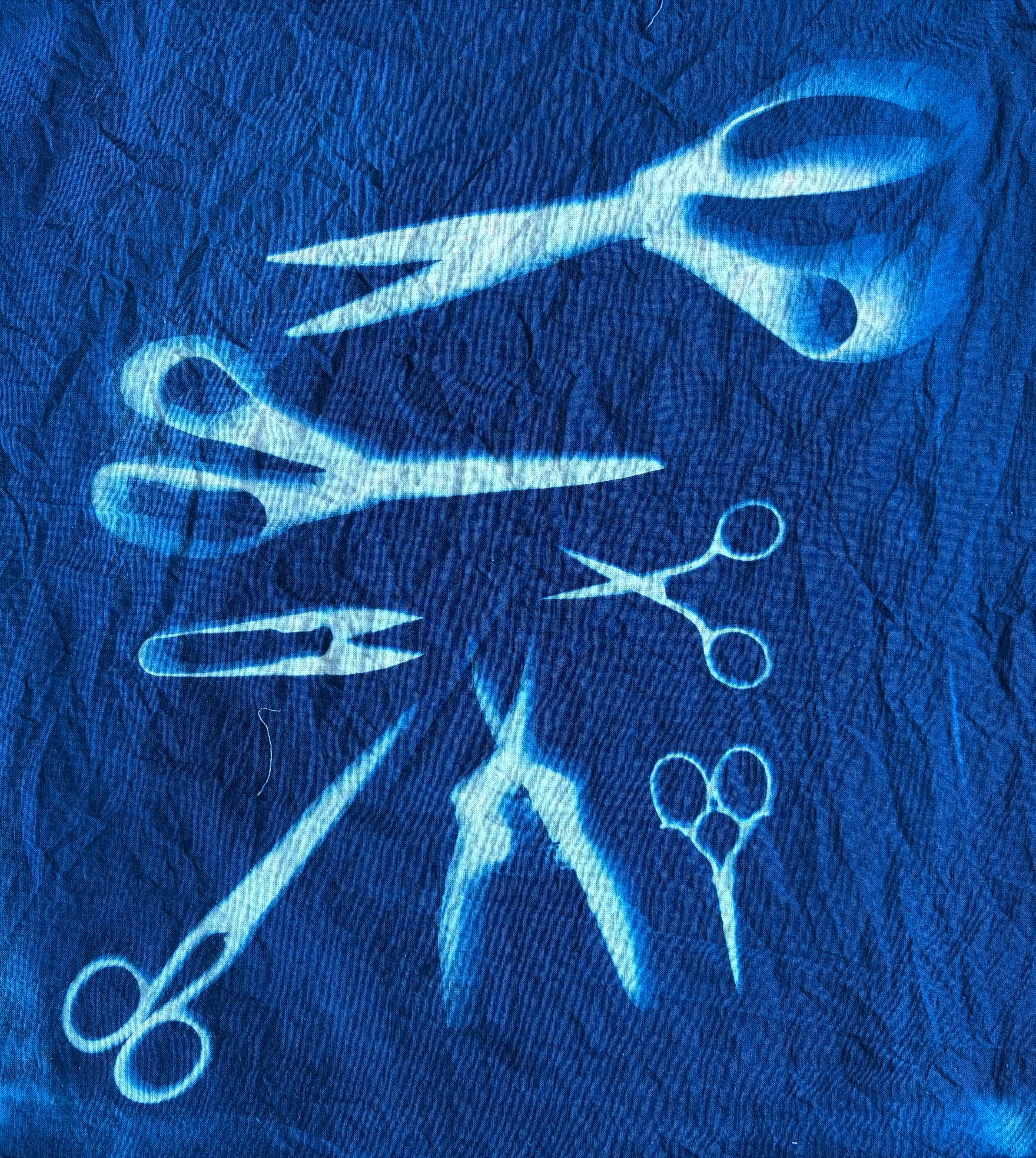
Then all of a sudden I stirred. I got my scissors out and made a M&M Camber dress last Saturday to wear the following (hot) day and the familiar feelings of enjoyment and accomplishment and time well spent came flooding back.
I bloody love making things. I can still remember being a child and the sheer, unadulterated delight in producing something which either stayed together and/or performed a function and/or looked like it was supposed to and/or as I’d imagined it. Then progressing through a whole raft of teenage crazes (which reminds me, I want to try macramé again) and later settling into knitting and baking and
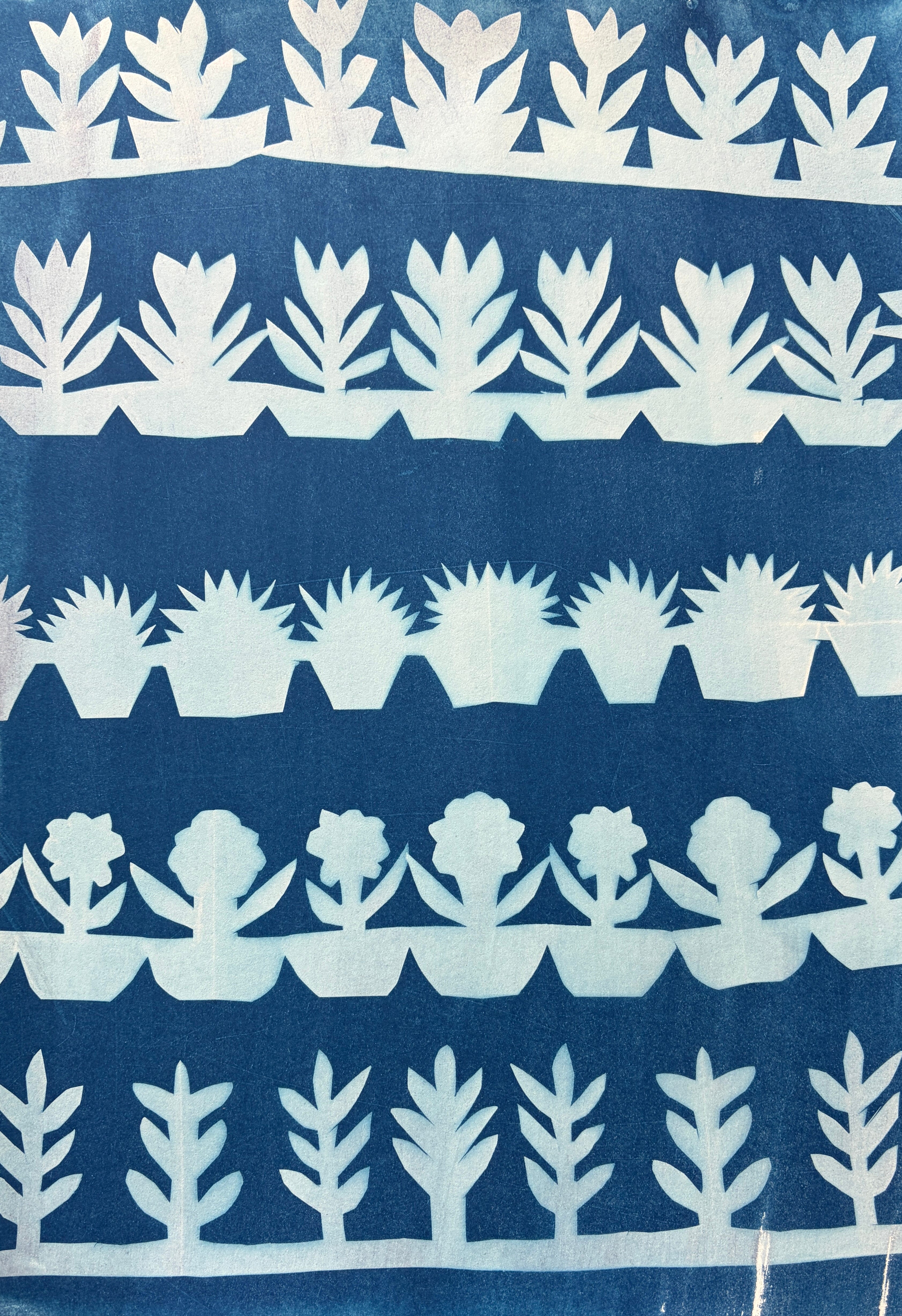
growing bulbs, then adding in quilting and more recently bookbinding and smocking.
It’s really very simple for me. I do these things because I enjoy them. They are a constant, always there. Always ready to be picked up.
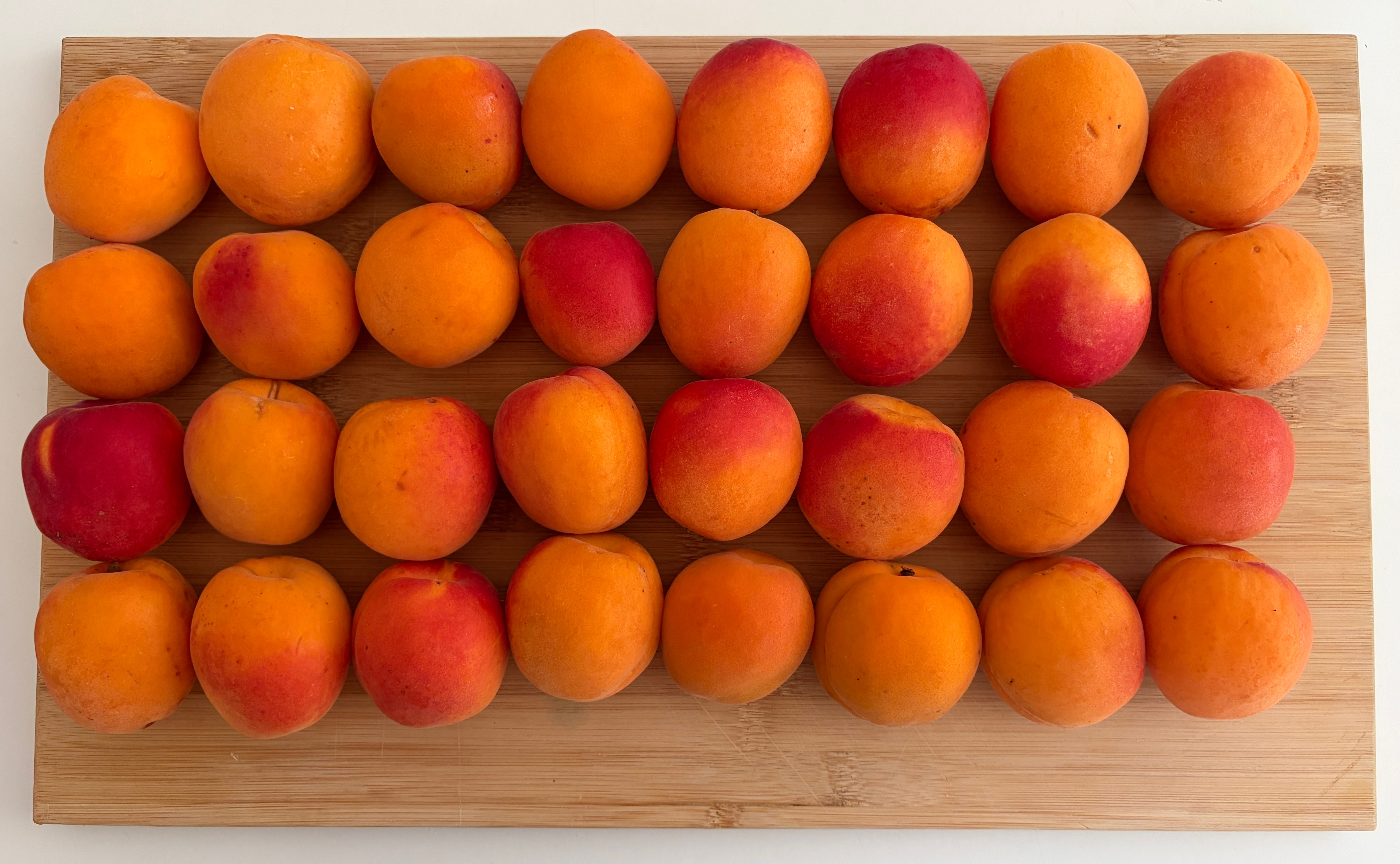
Since the dress, I’ve made a a pair of Bob Pants, more apricot jam,
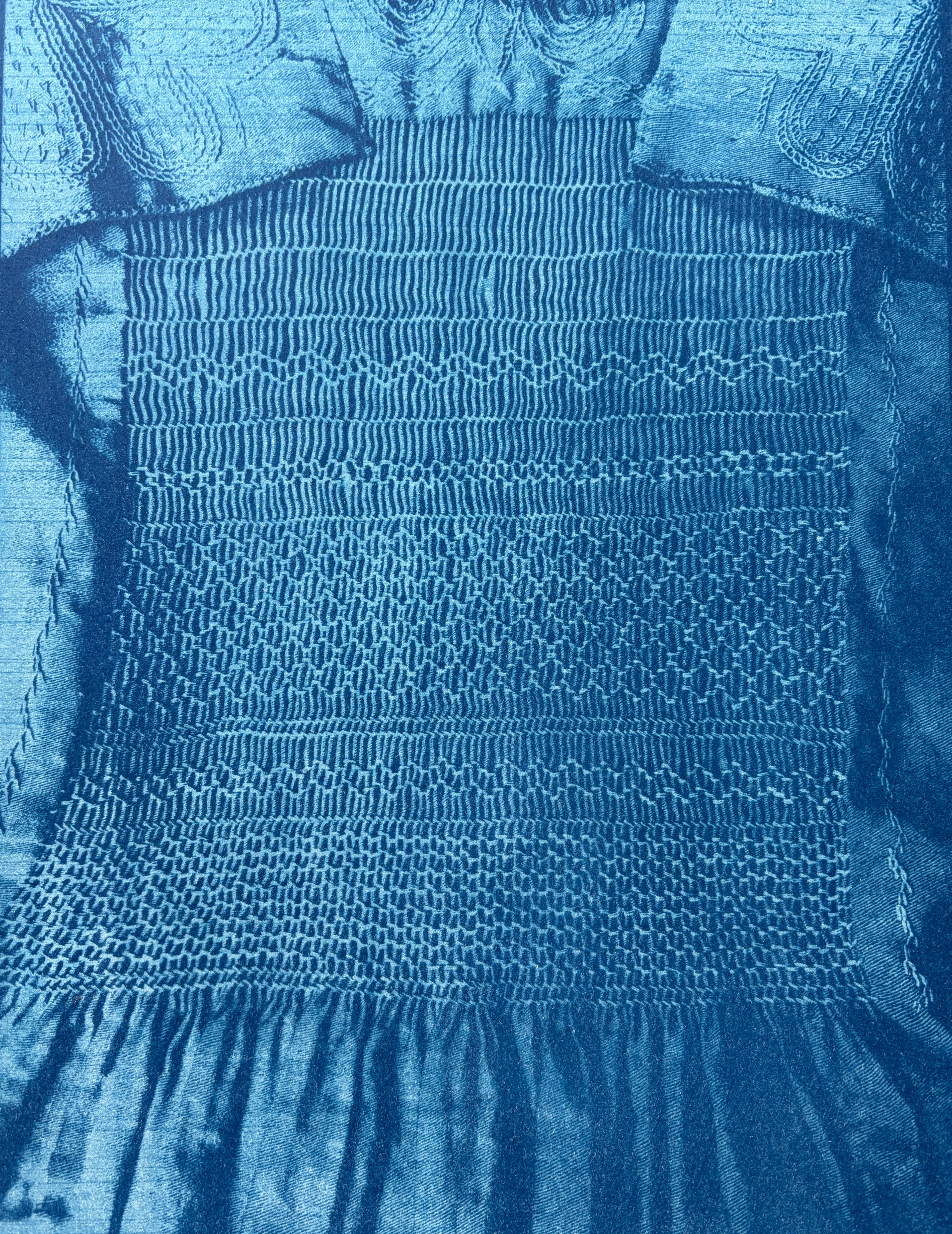
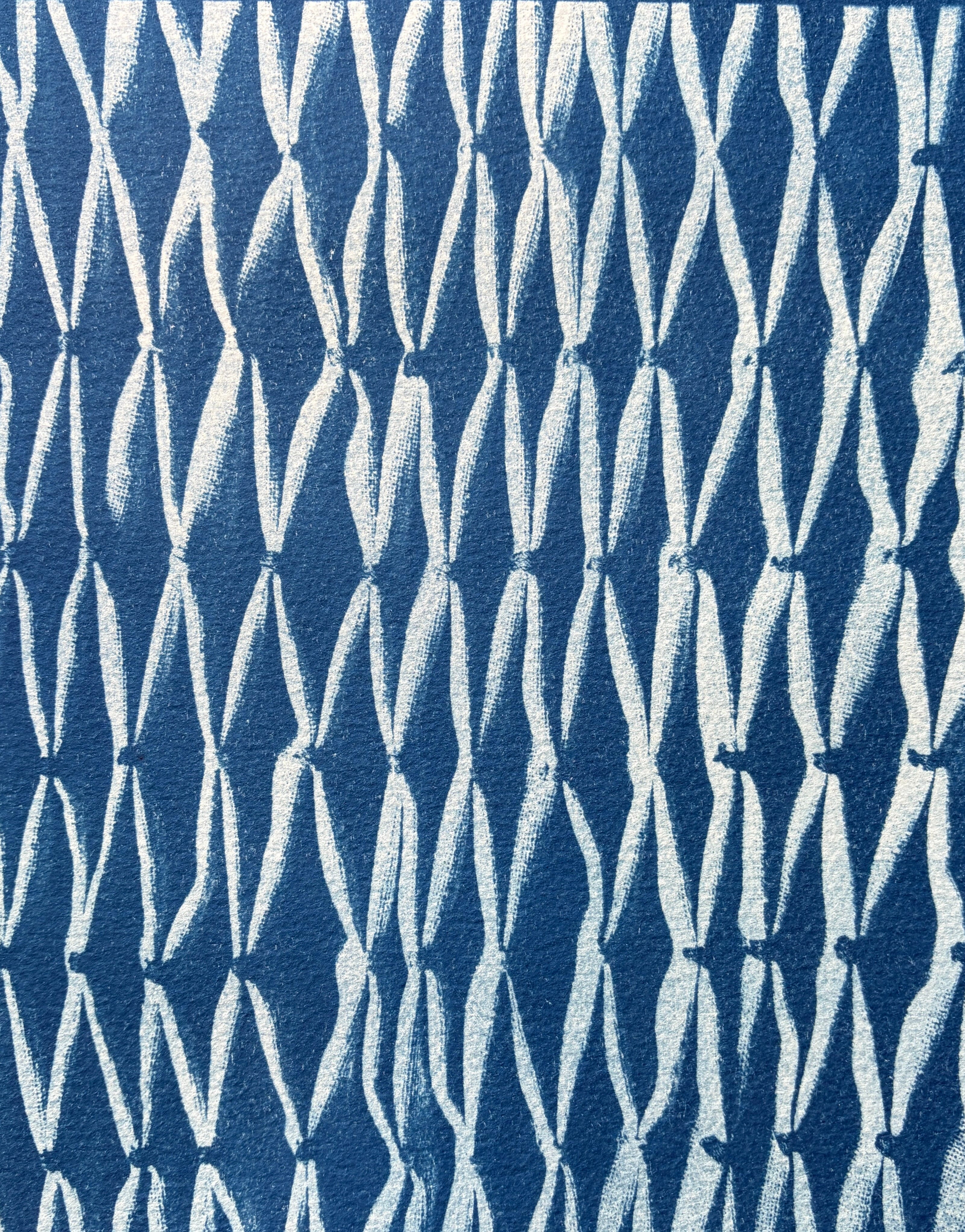
got my cyanotype kit and paper out and turned more than just the paper blue, as usual.
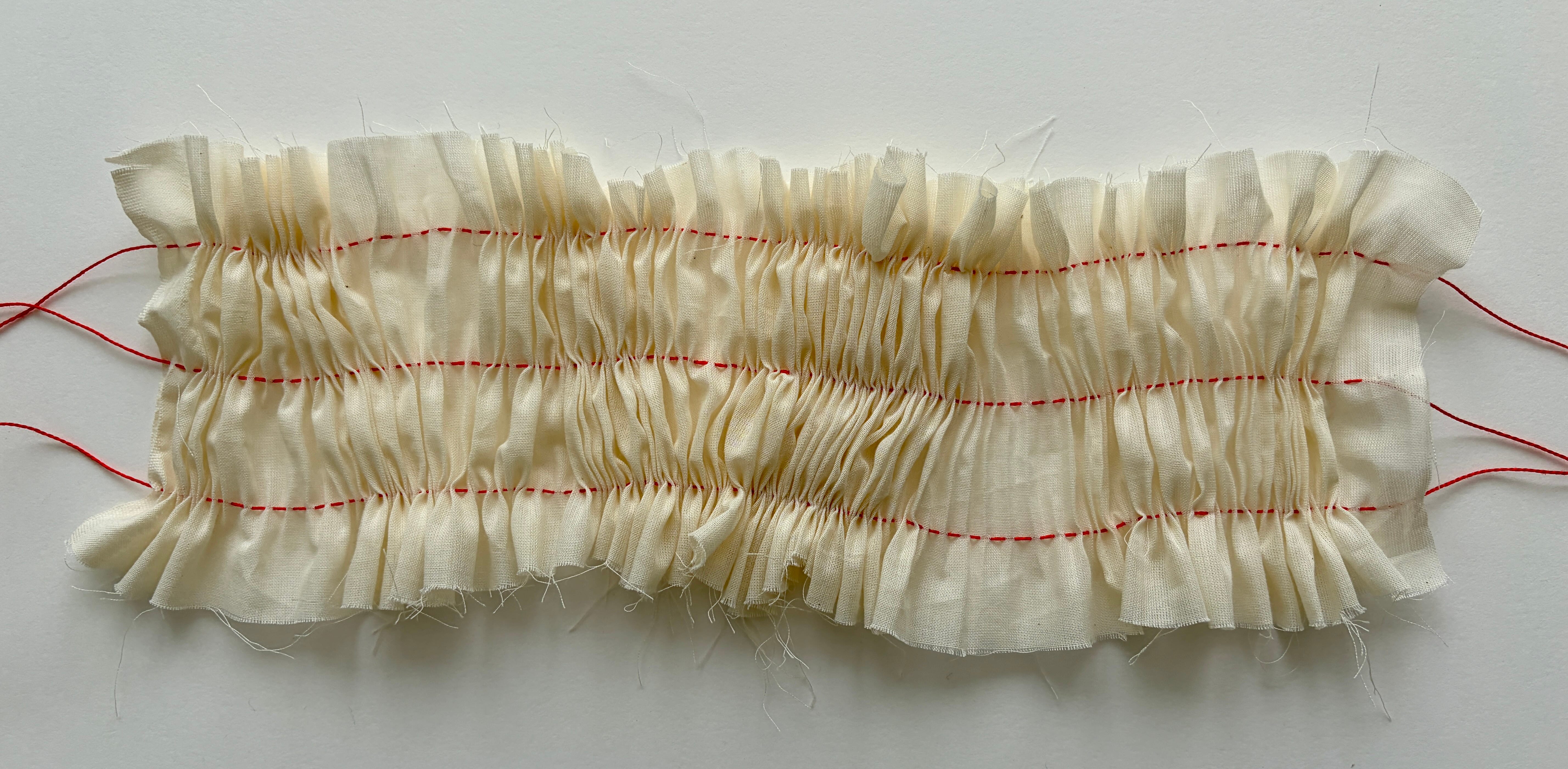
I also read a very intense book about embroidery and stitching which threw me into confusion and made me question what I do and how I view what I do. This is not the first title of its kind that I’ve read, because I am always keen to read about domestic and textile subjects. I feel I owe it to the authors who are writing seriously about subjects which have until recently been dismissed and disregarded for obvious reasons, and I am genuinely curious to read books that are about rather than how-to titles.
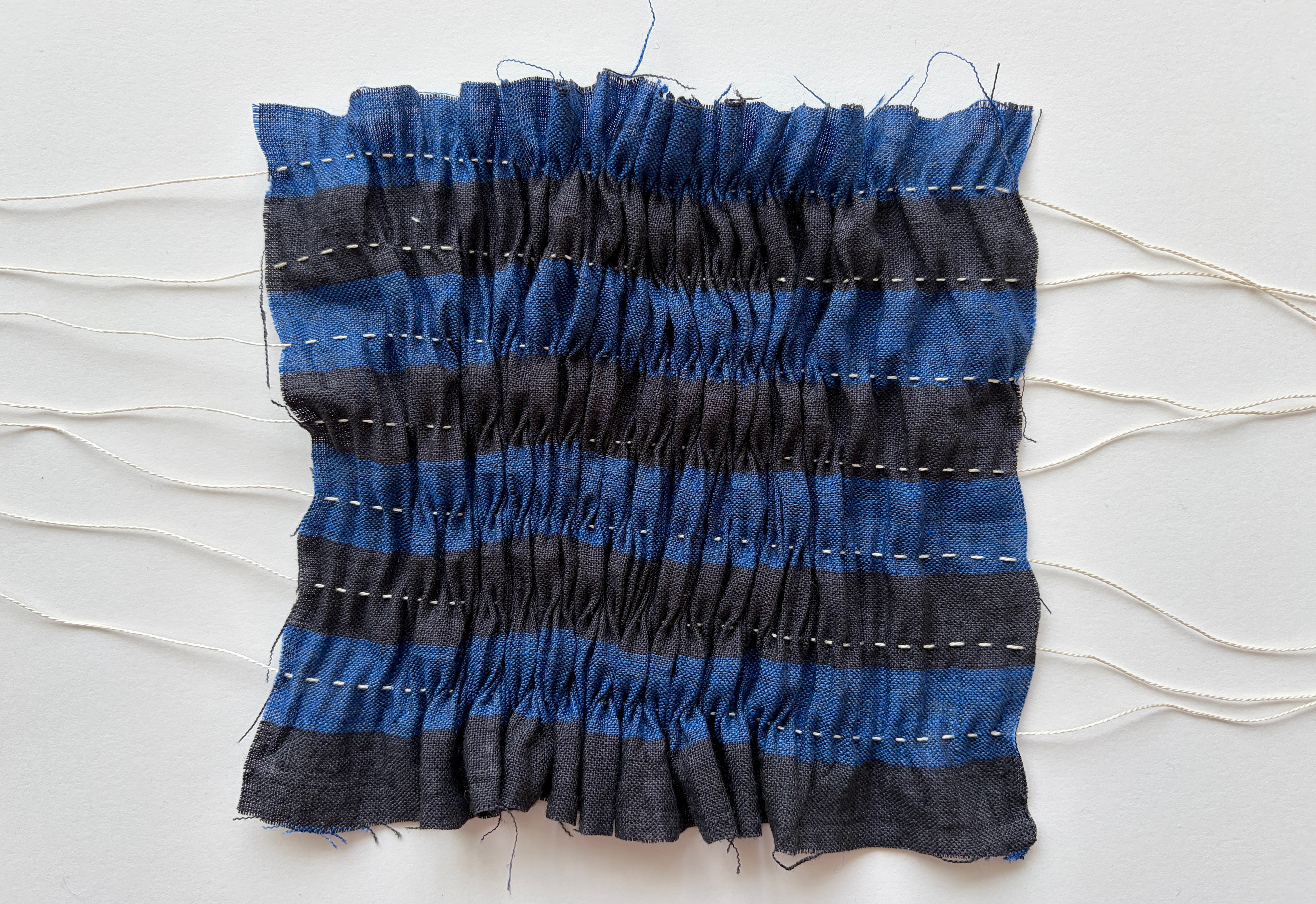
But, oh my goodness, these often-academic and very-of-the-moment books can contain a world of stitching and sewing which I just don’t recognise. I’d feel bad about naming names and the titles of books which have bothered me the most, so I won’t, and the issues may very well arise because I am simply not understanding, maybe everyone else views textiles in a different way and I’m the only one out on a limb, maybe they were “just not written for me”, to quote Ann Patchett.
I started sewing and making when I was very young. My Nana died when I was just eight, my widowed Mum was busy bringing up four children and working as a primary school teacher, and there were no other crafty, creative relatives or friends. So I was on my own, teaching myself from books, making it up as I went along, just working out processes. My bedroom was my studio where I tried out every sort of 1970s craft I could. I was messy and adventurous and experimental - and at at my happiest doing it all. But I never felt I was part of a ‘community’ of makers, and I never felt a kinship with the makers of the past. Which very much puts me at odds with the current discourse around domestic pastimes and stitching in particular.
It seems to me that there is an assumption in contemporary books and articles that the pleasure and satisfaction of stitching comes from being a part of a wider movement, which is often often political/queer/historical/meaningful. No longer can you just sit and knit and listen to the radio (or, indeed, nothing), you can’t just thread a needle and do some embroidery or needlepoint, you can’t just choose and cut up and piece fabric to make a quilt, without it being deconstructed and reconstructed as some way of dealing with trauma, violence, oppression, the patriarchy, struggle, isolation, shame. I’m overstating the case, I know, but I come away from these books wondering if I should feel guilty (I don’t) about not doing stuff for and in a ‘community’, and why I don’t position myself as part of a much longer history of stitching.
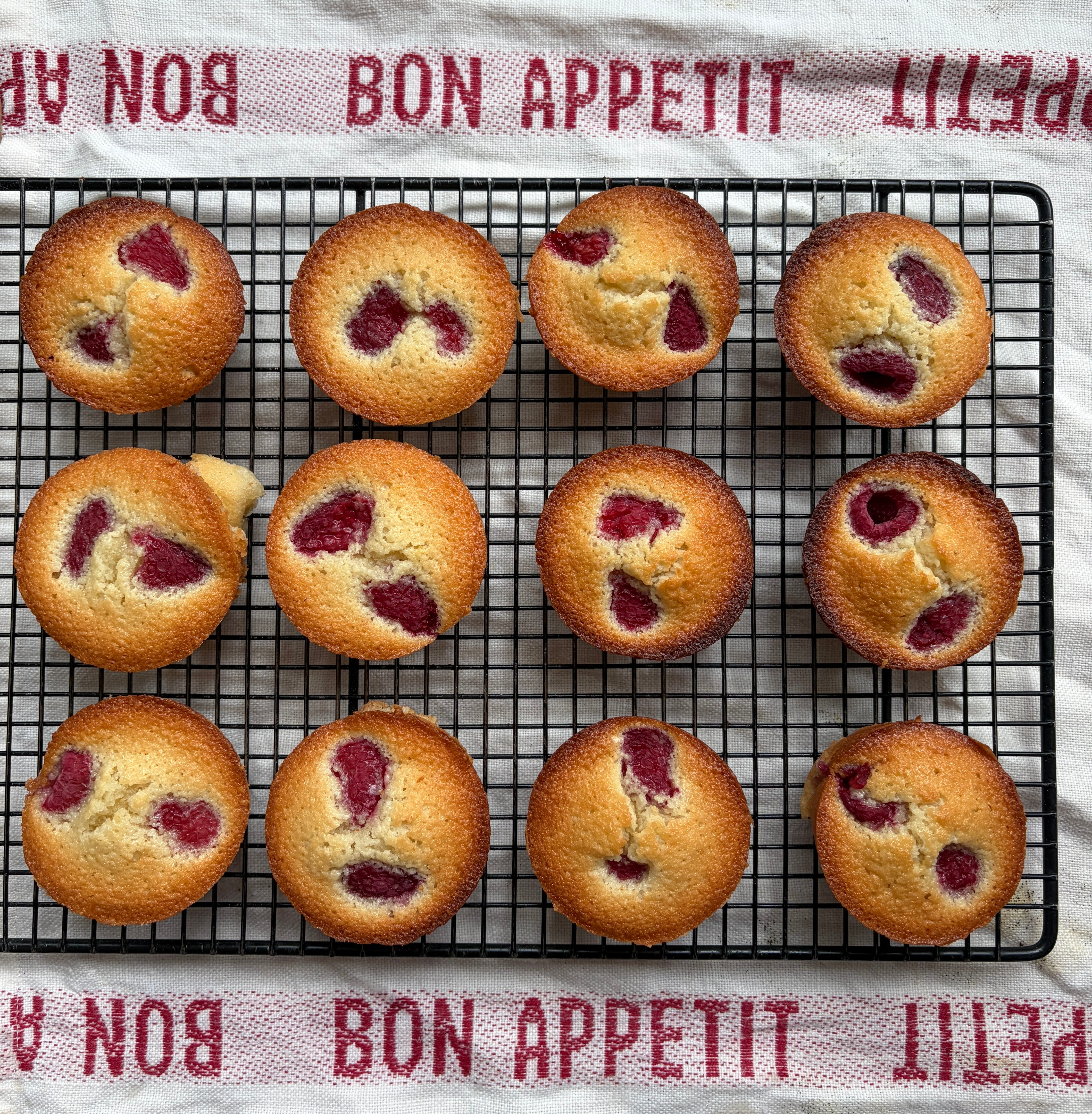
[Raspberry friands, recipe in my book]
The fundamental point of difference is why I stitch and knit and quilt and smock. I do it all because, as I said, I love making things, especially functional textiles and nice things to eat. These activities are an important part of my life, and I simply don’t get these new angles: domestic sewing as an act of “resistance and defiance*” in which “every piece of needlework, every loop of thread is connected to the past” coupled with the indignation that the names of most female needleworkers have been lost over the centuries (the same applies to the majority of of stained glass makers, carpenters, stonemasons, letterpress printers, skilled craftspeople, male or female).
(* NB I’m talking about the lone domestic stitcher, but obviously there are important exceptions eg suffragettes’ banners, Palestinian embroidery, Gee’s Bend quilters and more.)
Being something of a cynic, I also question whether all this is a very contemporary way to approach thinking and writing about domestic crafts, and whether there is an element of jumping on bandwagons by authors and publishers (see also colouring-on, mindfulness, maybe even mending and repairing going the same way).
My strong response is itself a reaction to the overstatement of importance and the wildly conceptual meanings applied to threading a needle and stitching. Because, in the end, these are simple skills which millions of people can and do acquire. By all means turn them into something much more significant and complicated, but please don’t assume everyone thinks likewise or include me in that ‘community’. And please don’t ‘instrumentalise’ it (I understand the verb but it’s not one I like) as per an article I saved which is by philosopher Julian Baggini about not doing things for the process and for their own sake. He says,
“I haven’t even begun to exhaust the list of activities that have become routinely instrumentalised. Among those we could add are gardening, playing sport, camping, swimming, campaigning, volunteer work, baking bread, crafts, keeping a diary, laughing, saying “thank you”. We increasingly ask not what is good about them but what good they can do for us. And by “good” we mean health, wealth and worldly success.”
There is nothing more dispiriting that picking up a book on one of your favourite subjects, only to find that all the joy has been sucked out of it, that it’s been turned into some anti-something protest or a crusade, that it’s been weaponised, politicised, and presented in language you just don’t get. Oh yes, I’m rattled.
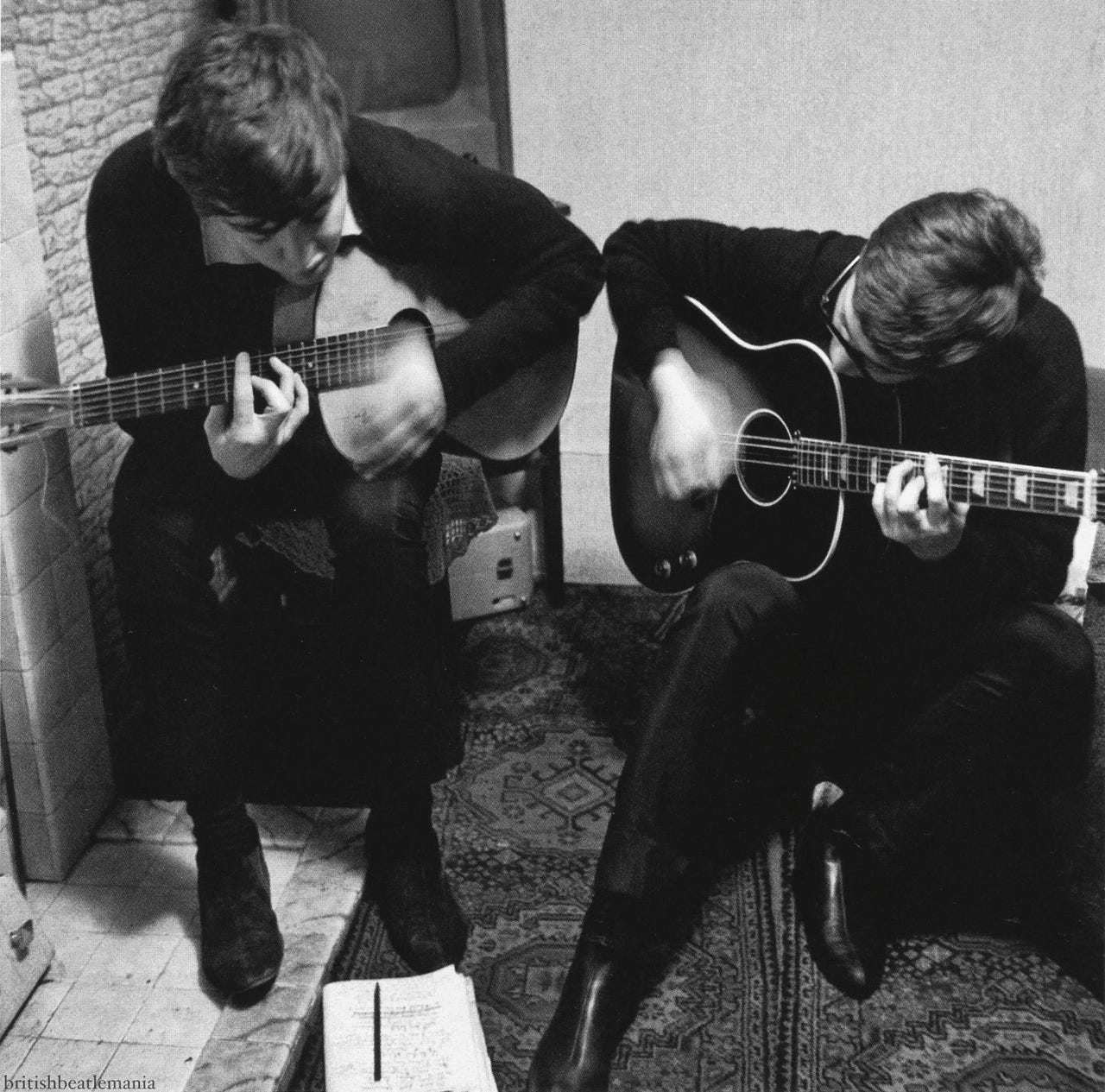
Then I think of the Beatles, specifically Lennon and McCartney who, when interviewed, would not discuss their writing process or or analyse their songs, and found it amusing and baffling when interviewers quoted highbrow stuff about culture and “aeolian cadence”. When asked in 1963 about sport and hobbies, John replied, “The only sport we do bother with is swimming. We don’t count it as a sport… And hobbies are just writing songs.” Would that more people had hobbies like this.
Paul was equally dismissive and down-to-earth. In the film Eight Days a Week: The Touring Years you can watch this exchange:
Reporter: What place do you think this story of The Beatles is going to have in Western culture?
Paul McCartney: You must be kidding me with that question. Culture? It’s not culture.
Reporter: What is it then?
Paul McCartney: A good laugh.
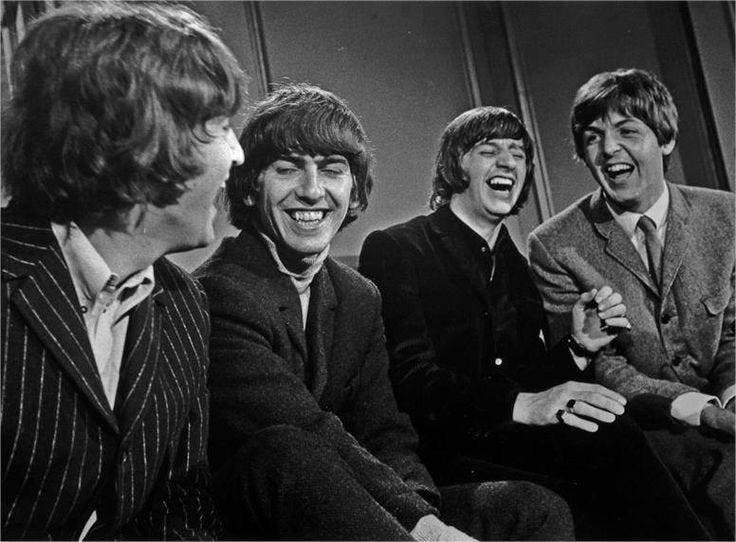
A good laugh. I rest my case.
Happy Sunday!
Thank you so much for articulating all my disquiet, but having just noticed your others comments agreeing with you wholeheartedly we’re in danger of becoming a community!
Once again, couldn’t agree more. I’ve tinkered and made and screwed things up and thrown them into the corner in frustration since I was a child and watched mum making my clothes and clothes for my ‘Pippa’ dolls ( remember those?). I’ve often gone through fallow phases of not making, baking or , frankly, being arsed. I’ve also gone through phases of asking myself what am I doing this for? I’m recently properly retired and realising that simply making for pleasure is enough. So, yesterday, after a few fallow weeks (too hot), I cut out a top to have ago at making, all while listening to the banging tunes from our 60th party Spotify list. Bliss.