slump

I’ve never coped well with jet-lag; it takes me a long time to recover. And this week the extreme heat has not helped. So I’ve been in a post-Japan slump. Not a psychological one, more a physical one.
However, the bleariness and lethargy have been very conducive to doing what I maybe should have done before we went: research. The same way I don’t read full reviews of film and books in advance, it’s been more instructive and personal to collect impressions and thoughts there, then to look things up properly here. As a result, I understand better and appreciate more what we saw and experienced.
My research has included:
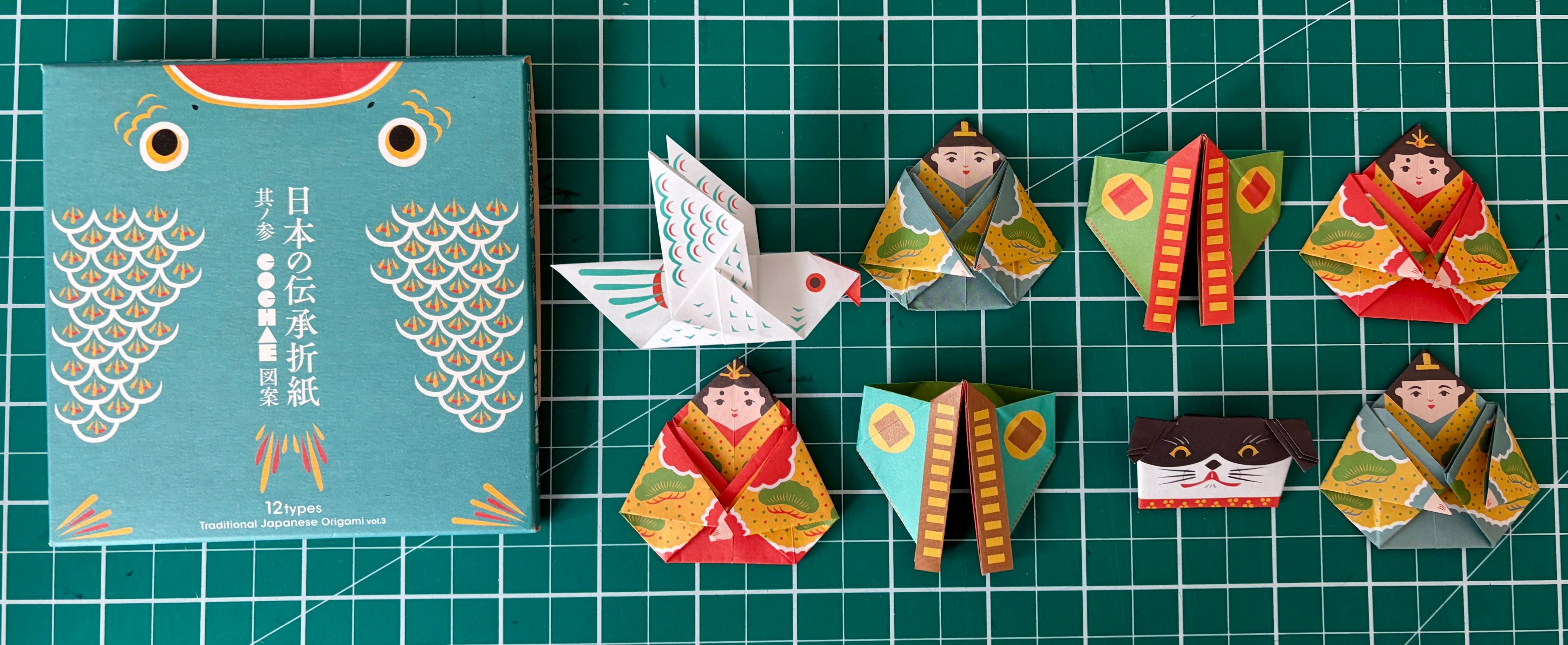
origami and this brilliant company’s pre-printed sets (eg these poorly made but enjoyable attempts)
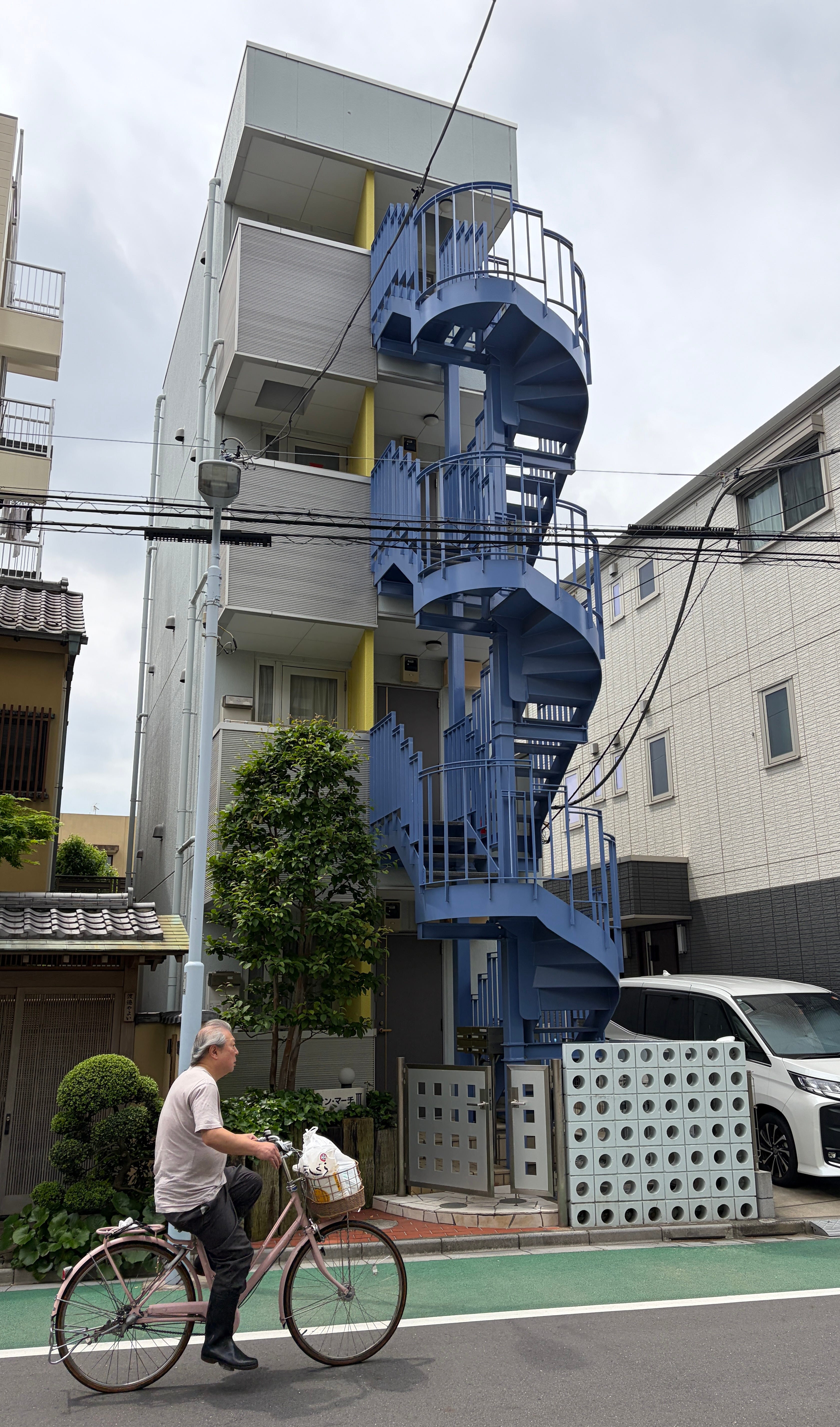
investigating small and narrow architect-designed houses and flats, looking at the quality use of concrete (thank you, Wilson), and spending too long on Never Too Small
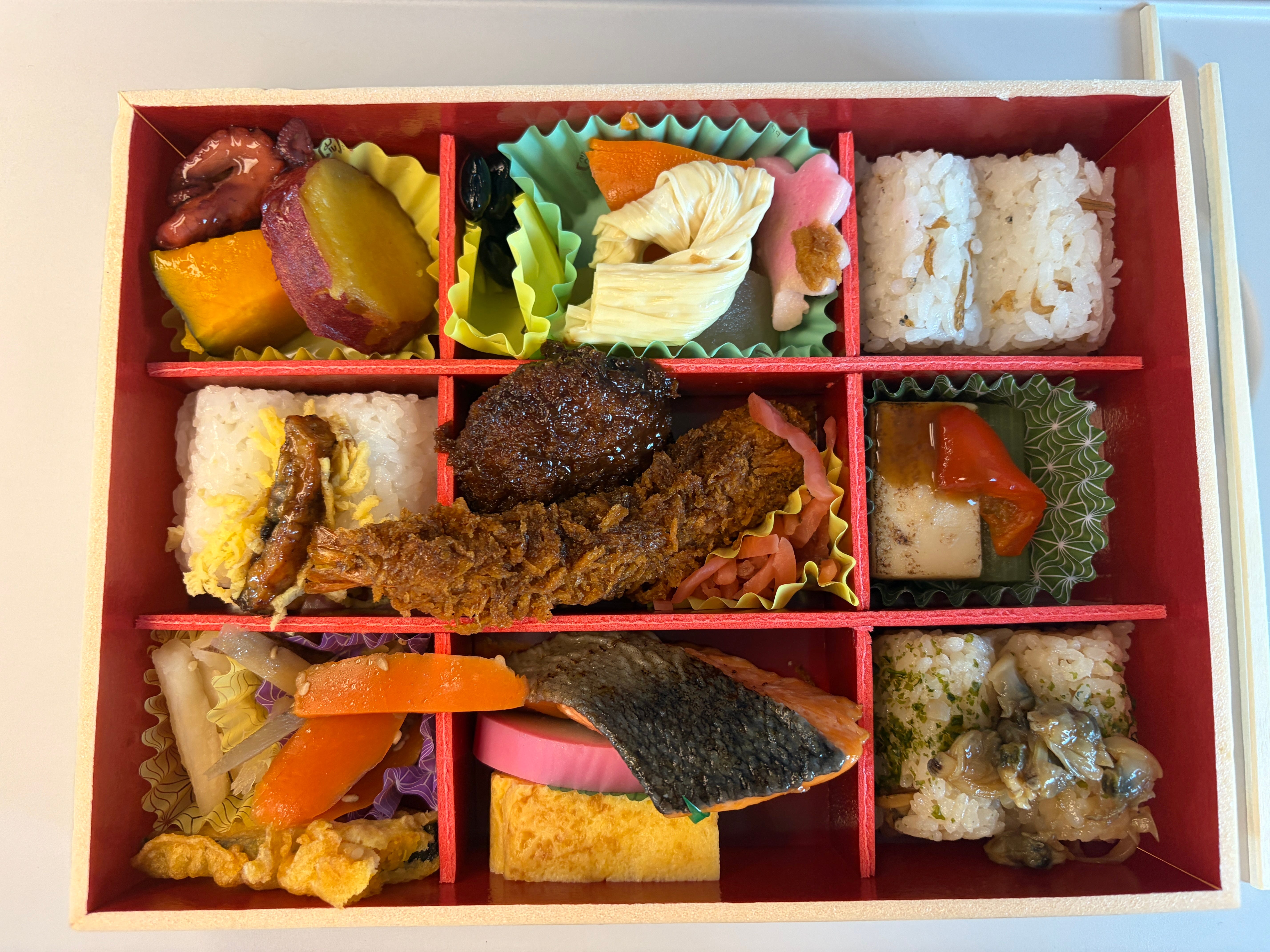
[Kyoto speciality ekiben]
the history and variety of ekiben (train bento boxes), utterly fascinating and visually stunning, now often collectors’ items (for a certain type of collector). “An interesting anecdote is that in Tokyo Station you can buy regional ekiben from all over Japan so if you’re having an affair with someone in Tokyo and your partner thinks you’re in Hokkaido you can return home with the correct bento box from Hokkaido as a gift - a ruse well known enough that it’s even used in novels.”
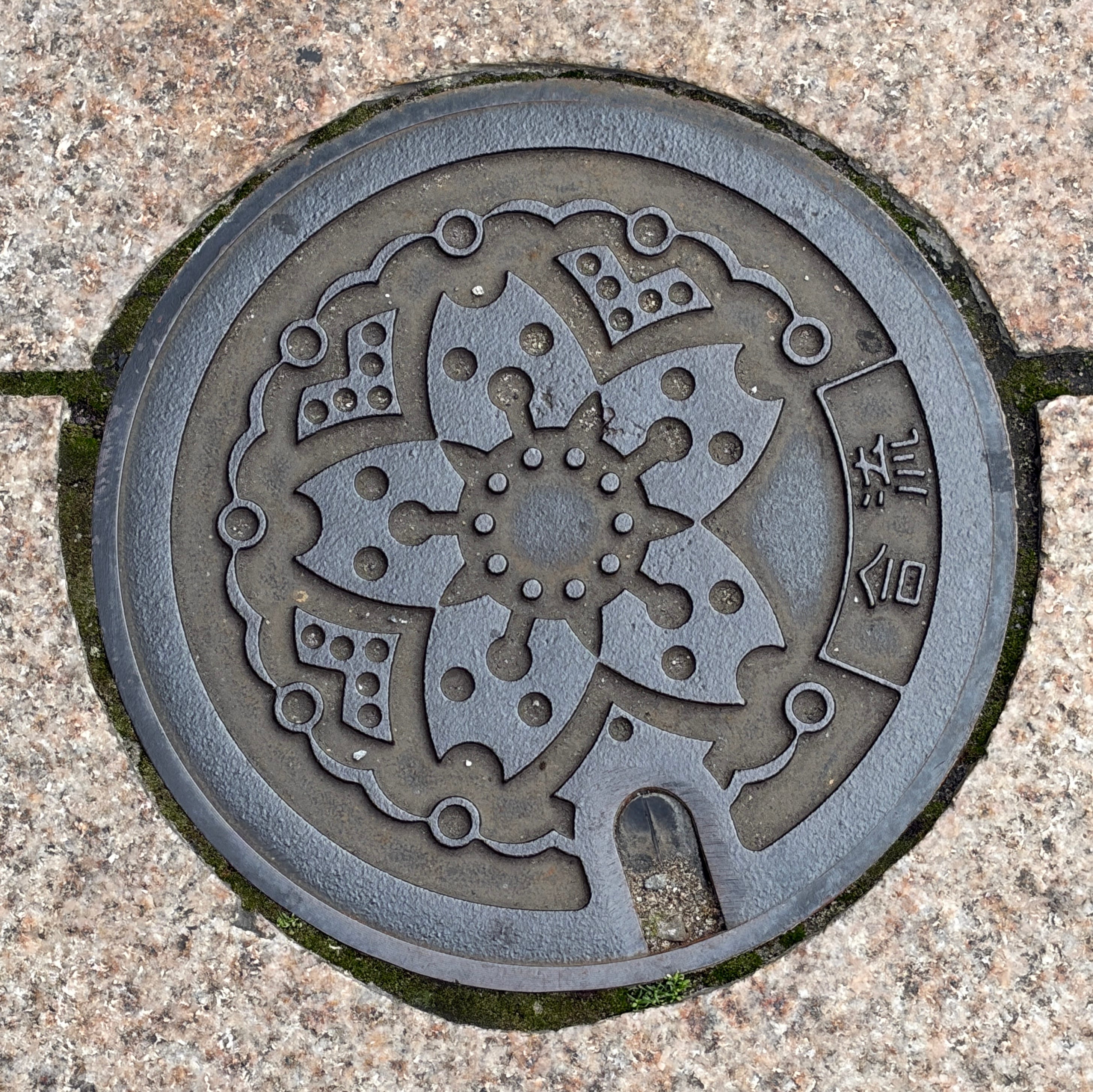
manhole covers/urban art, good reasons to look down as well as up
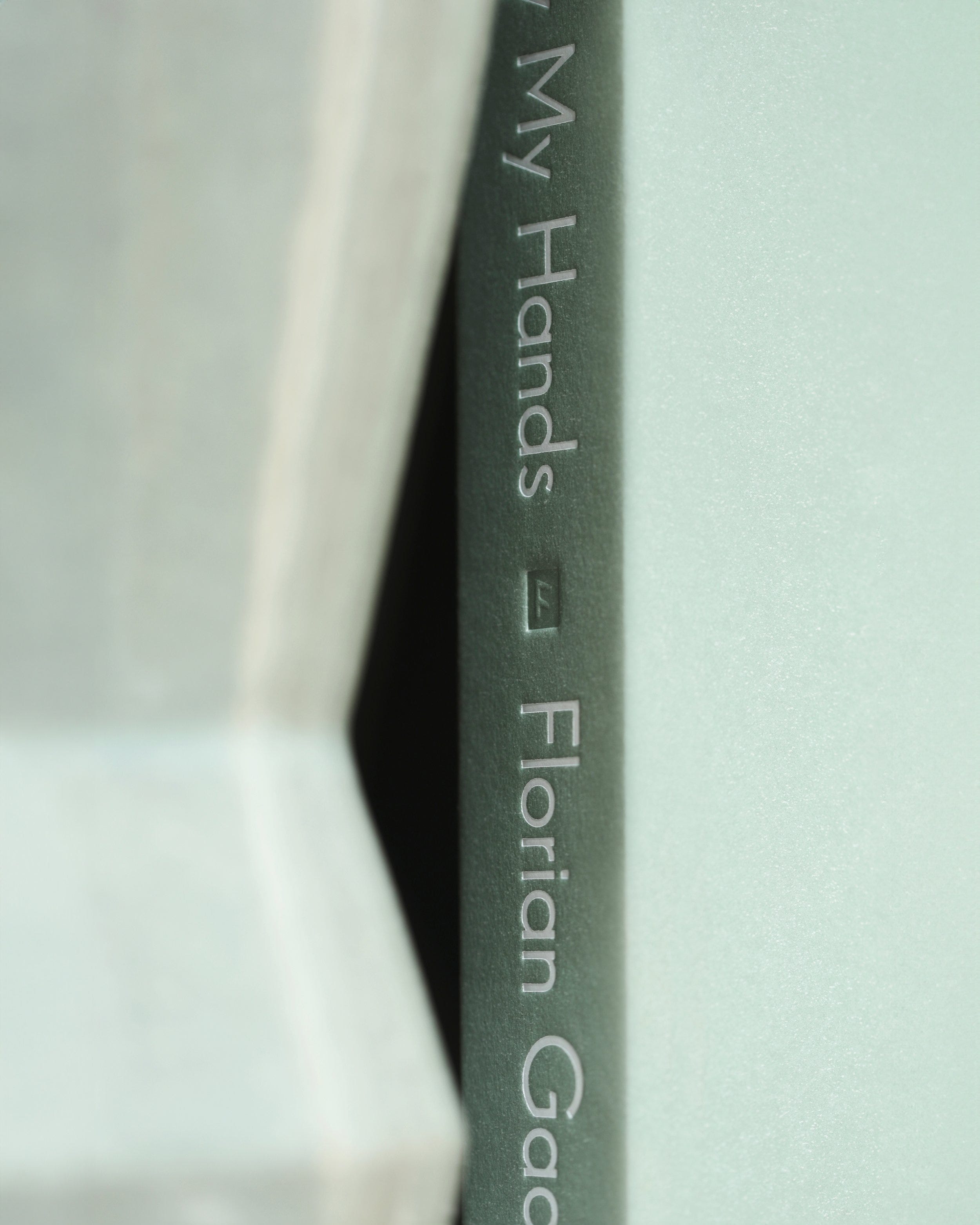
a potter’s apprenticeship in Japan. I am in awe of Florian Gadsby’s work ethic and skill - his book (his photo above) has been sitting on a shelf since it was published, but now was the right time to read it. The Japan bit sounds incredibly intense
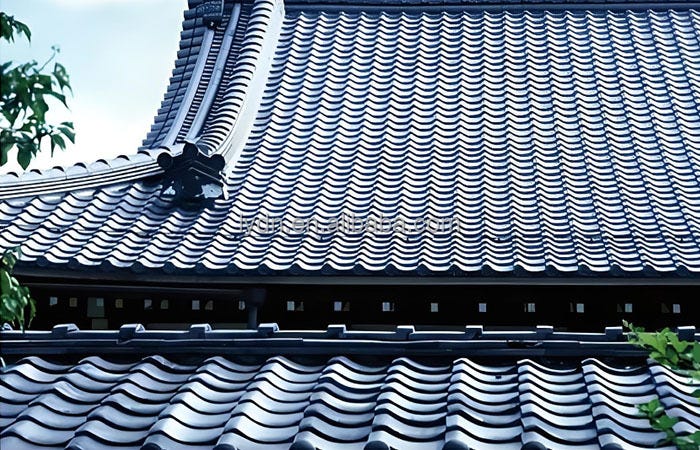
traditional roof tiles (kawara) in Kyoto which often look like scrolls or little Hokusai waves lapping over roofs (I admired many but didn’t photograph any, sometimes just wandering and looking is enough)
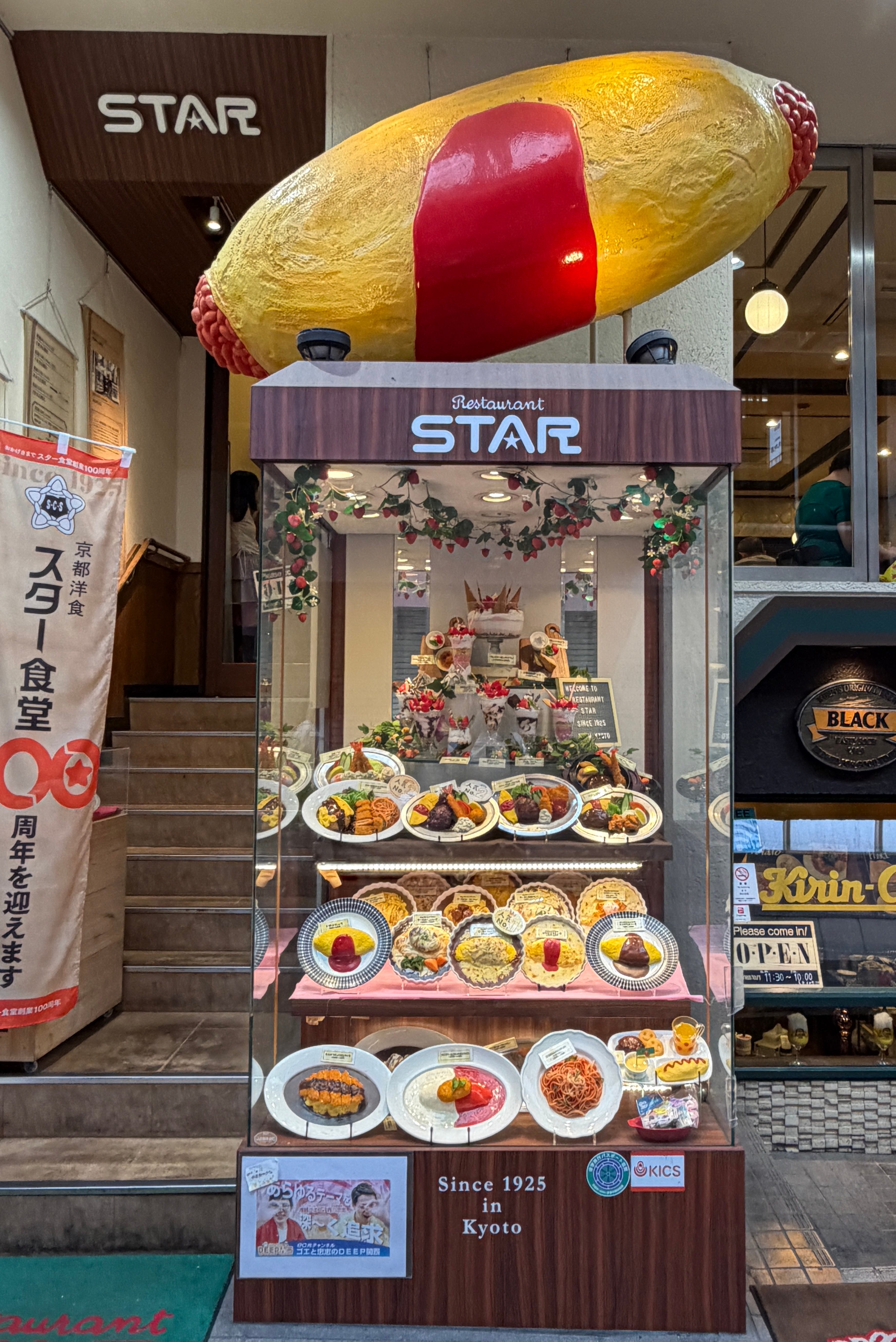
[one of my favourite displays of replica food in Kyoto - that’s a rice-filled omelette on top on which the ketchup is always in the same place]
more replica food. This is the shop we went to and bought astoundingly realistic sushi and eggs
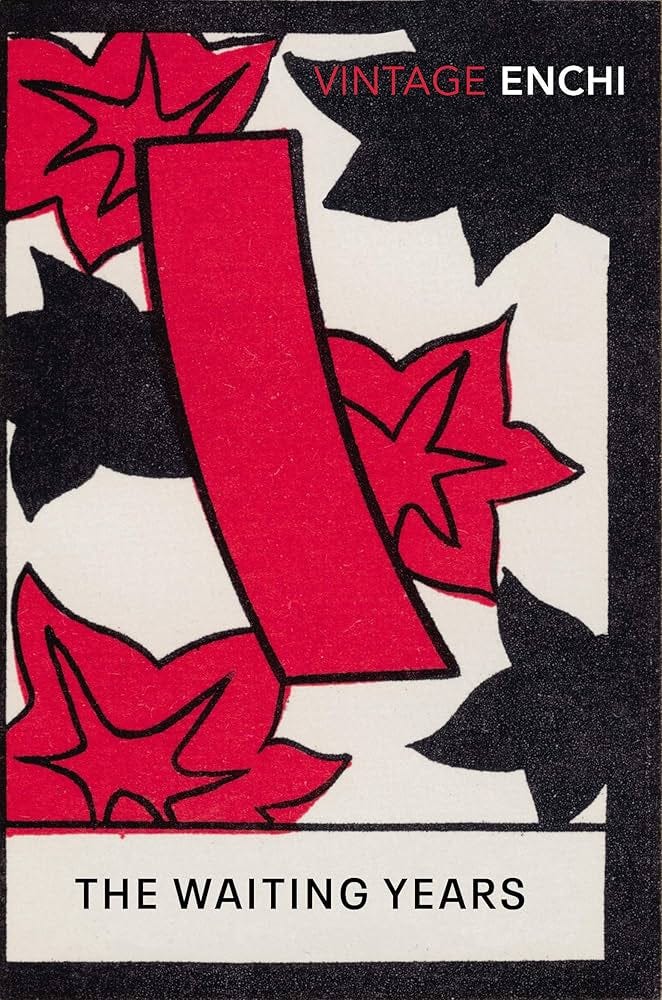
literature; I’ve just read The Waiting Years (1958) by Fumiko Enchi, an excellent recommendation from Fran at Persephone Books. And now, because of the cover which features part of a matchbox design, I want to know more about old Japanese matchboxes. Japanese packaging, traditional and modern, is endlessly fascinating and wonderful
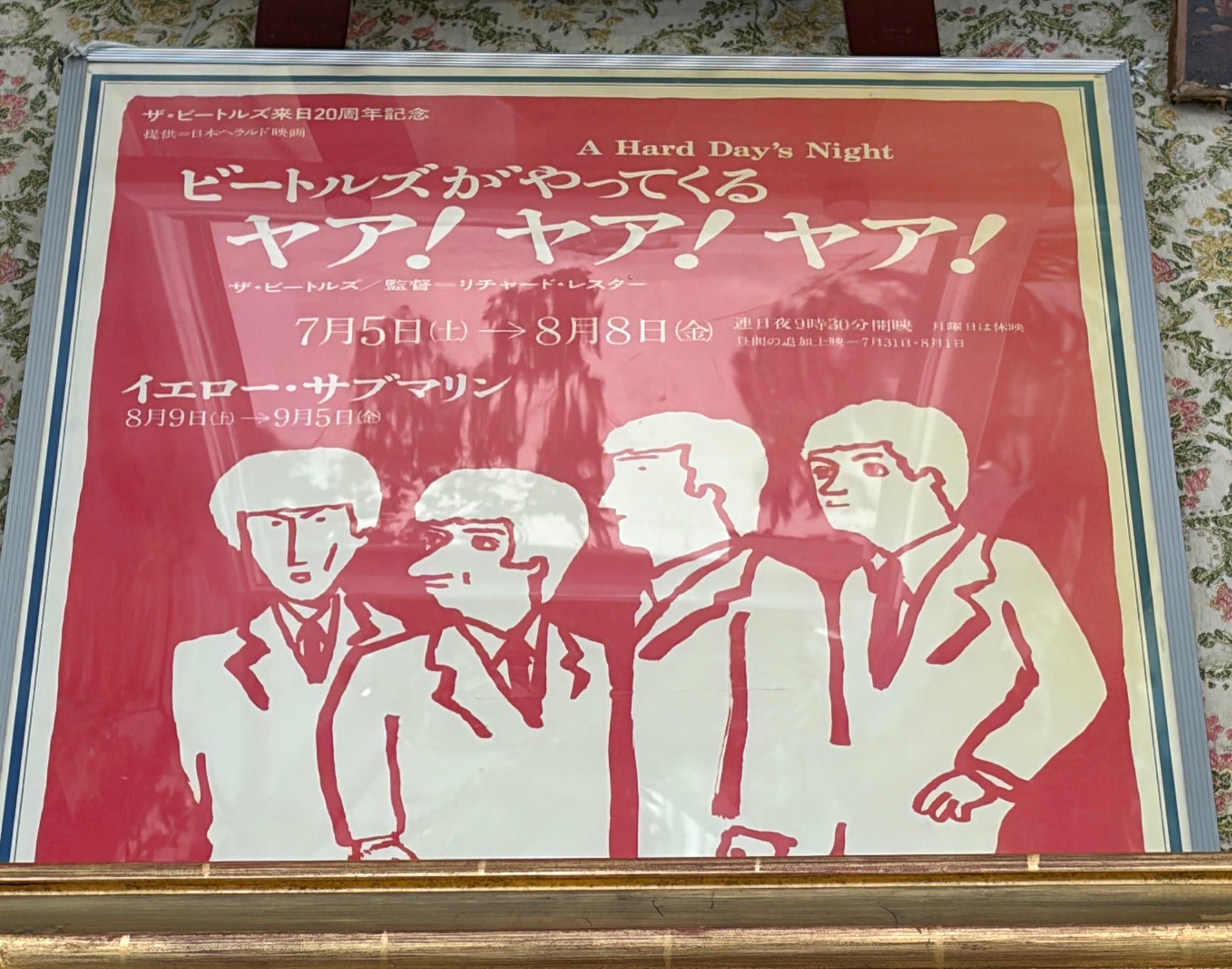
[seen at a flea market in Ginza]
the ultra-cool shirts and suits

The Beatles wore onstage in Japan in 1966 not long before before they abandoned their matching outfits forever.
Happy Sunday!
Some extra info for Jan and anyone planning a trip to Japan:
do the customs and registration forms online before arrival to get a QR code for a faster passage through the airport
get an eSim card for your phone (I used Ubigi)
download a Suica card onto your phone. It’s like an Oyster card but so much better; we put ¥5000 on ours - less than £25 - and that covered all our metro and bus fares and even a return train journey to Osaka from Kyoto, and I spent the last few ¥ on two tiny tubes of toothpaste in a 7/11 store (they accept Suica)
Phoebe recommended setting up a Monzo account and using the card to avoid incurring exchange fees - definitely worth doing
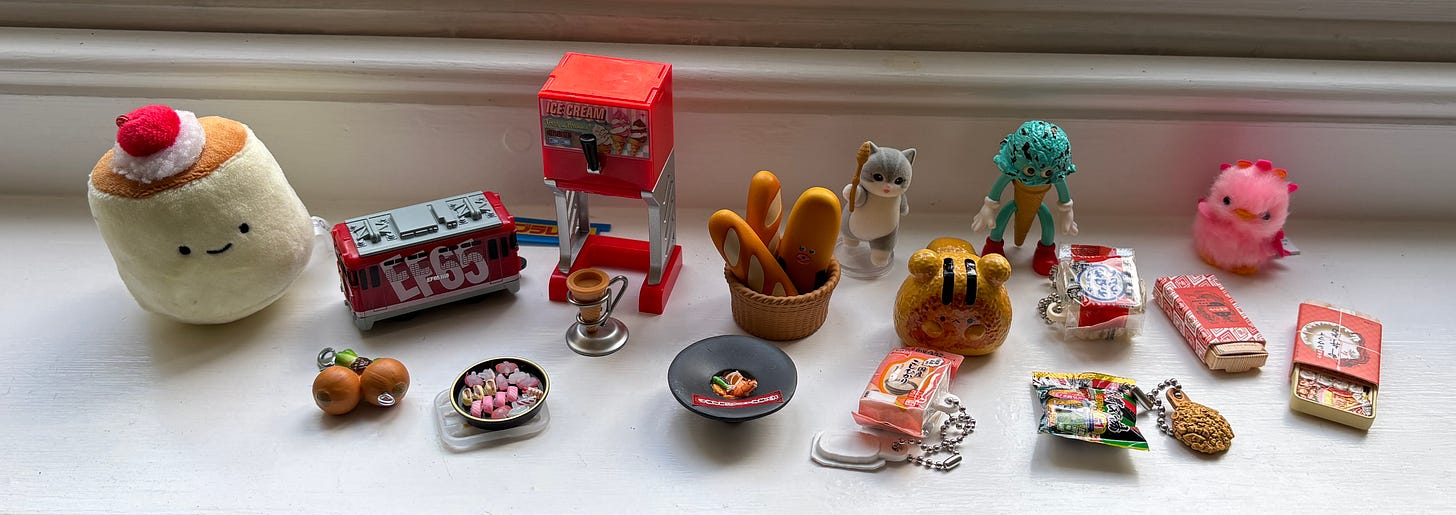
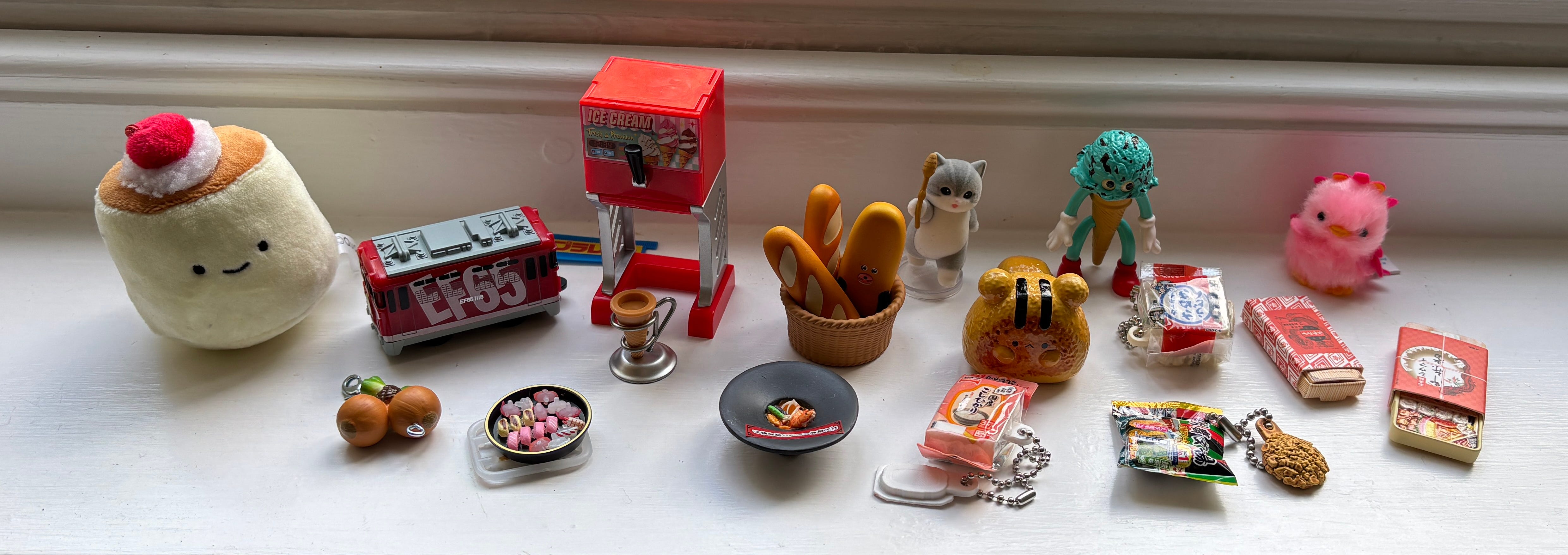
[Phoebe’s gacha collection]

[mine]
take some cash as there are some cash-only eating places and you’ll need ¥100 coins for gacha “gambling” if you are so inclined (there’s always a machine which converts bank notes to coins by the gashapon)
book tables online at peak times in popular places eg Kura to avoid queuing (Kura = brilliant sushi conveyor belt fun in beautifully designed interiors). Two more cheap chains with great food: CoCo for katsu curry (you can order up to 1kg of rice should you wish)
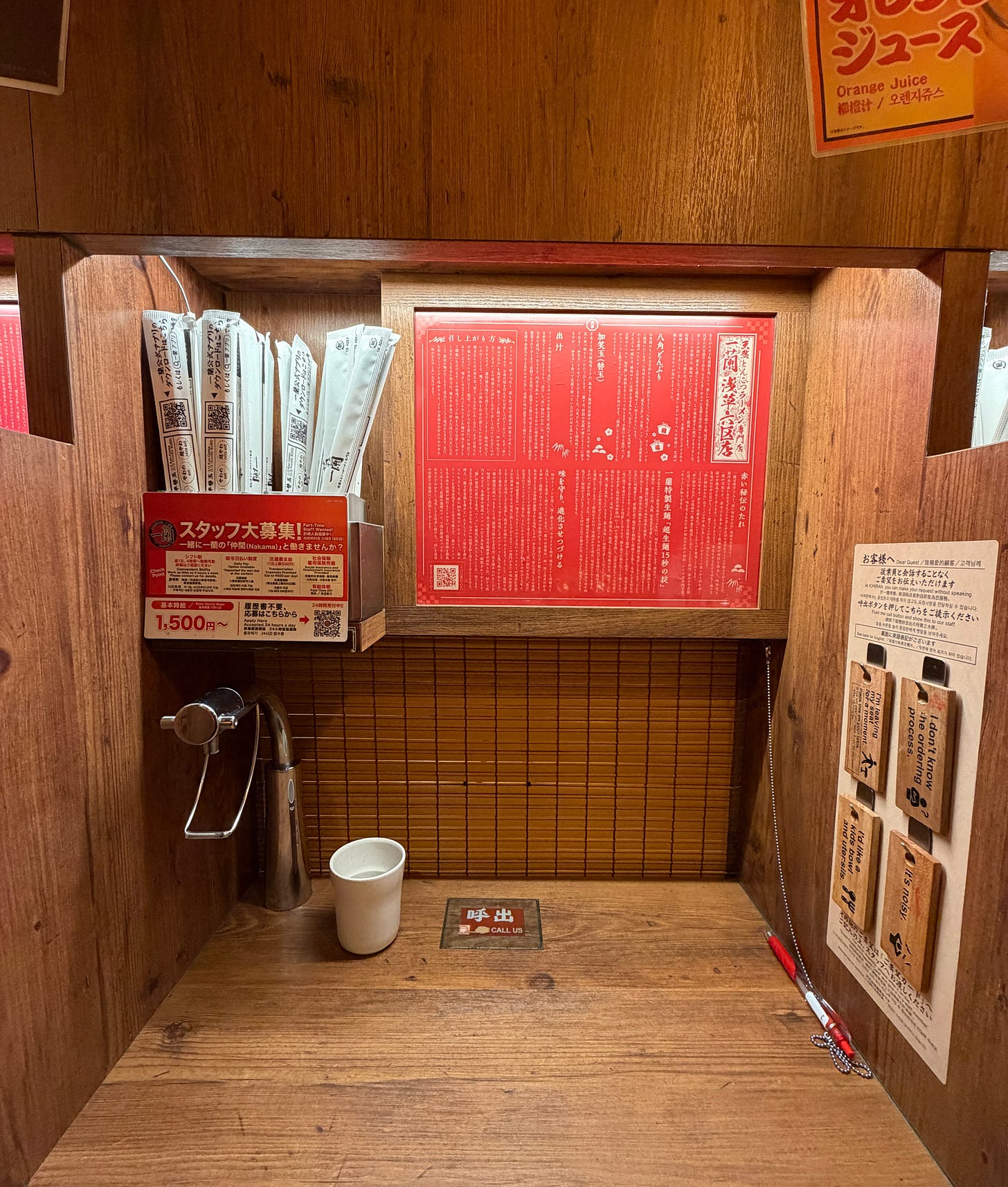
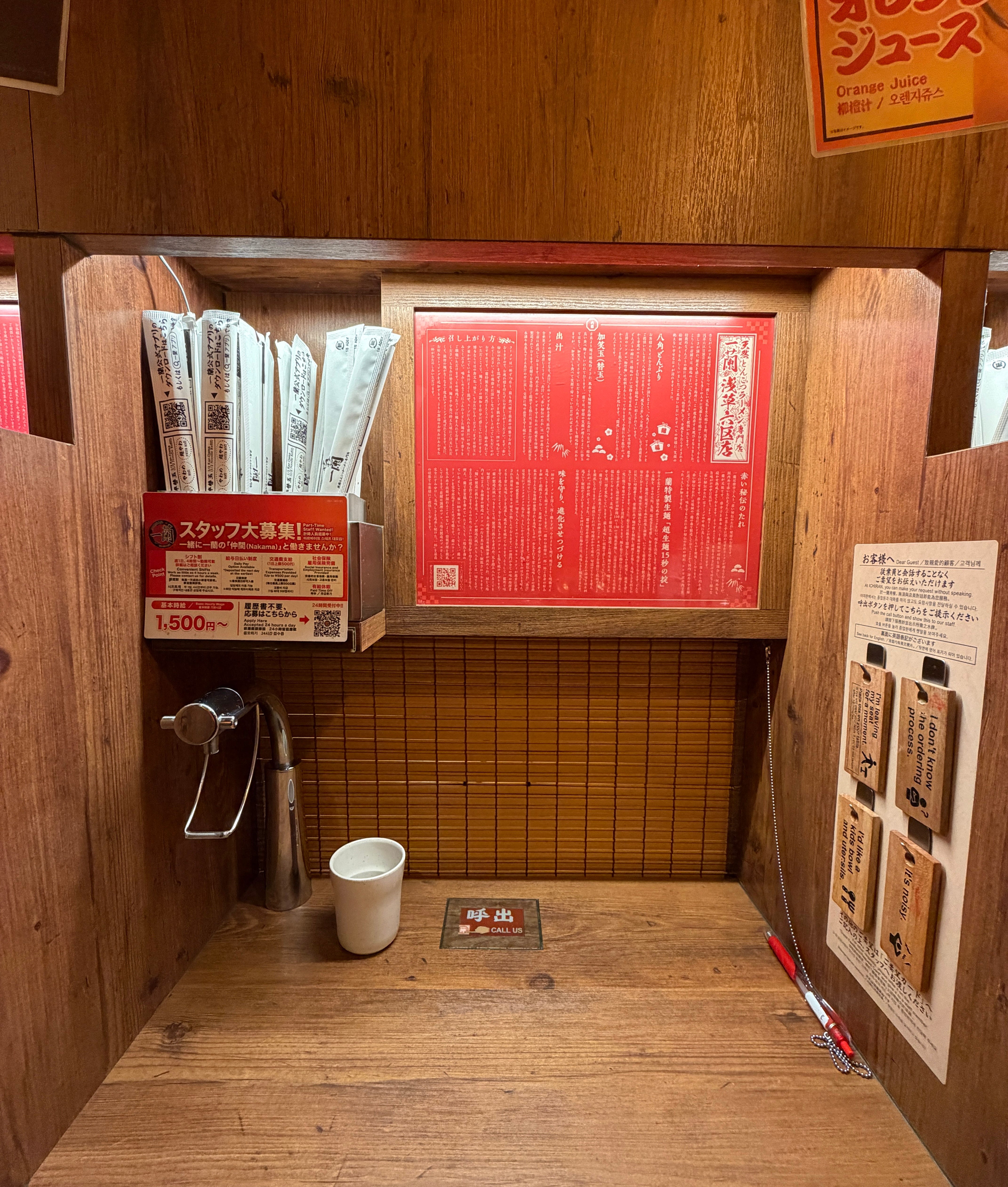
and Ichiran ramen where you eat in a solo booth and the food appears from a behind a bamboo curtain
Muji has an incredibly refreshing yuzu squash soda (yuzu was my favourite drink flavour discovery)
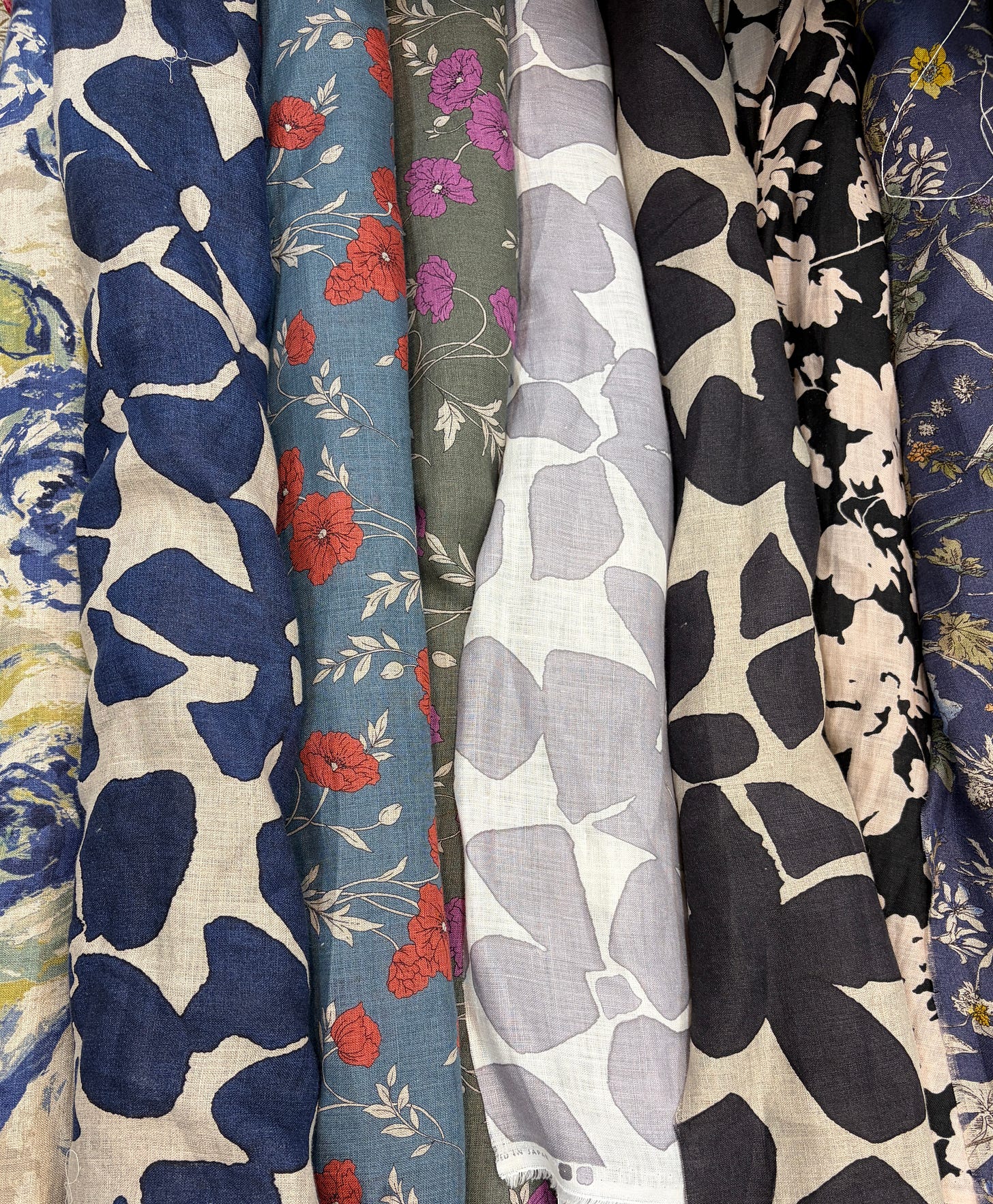
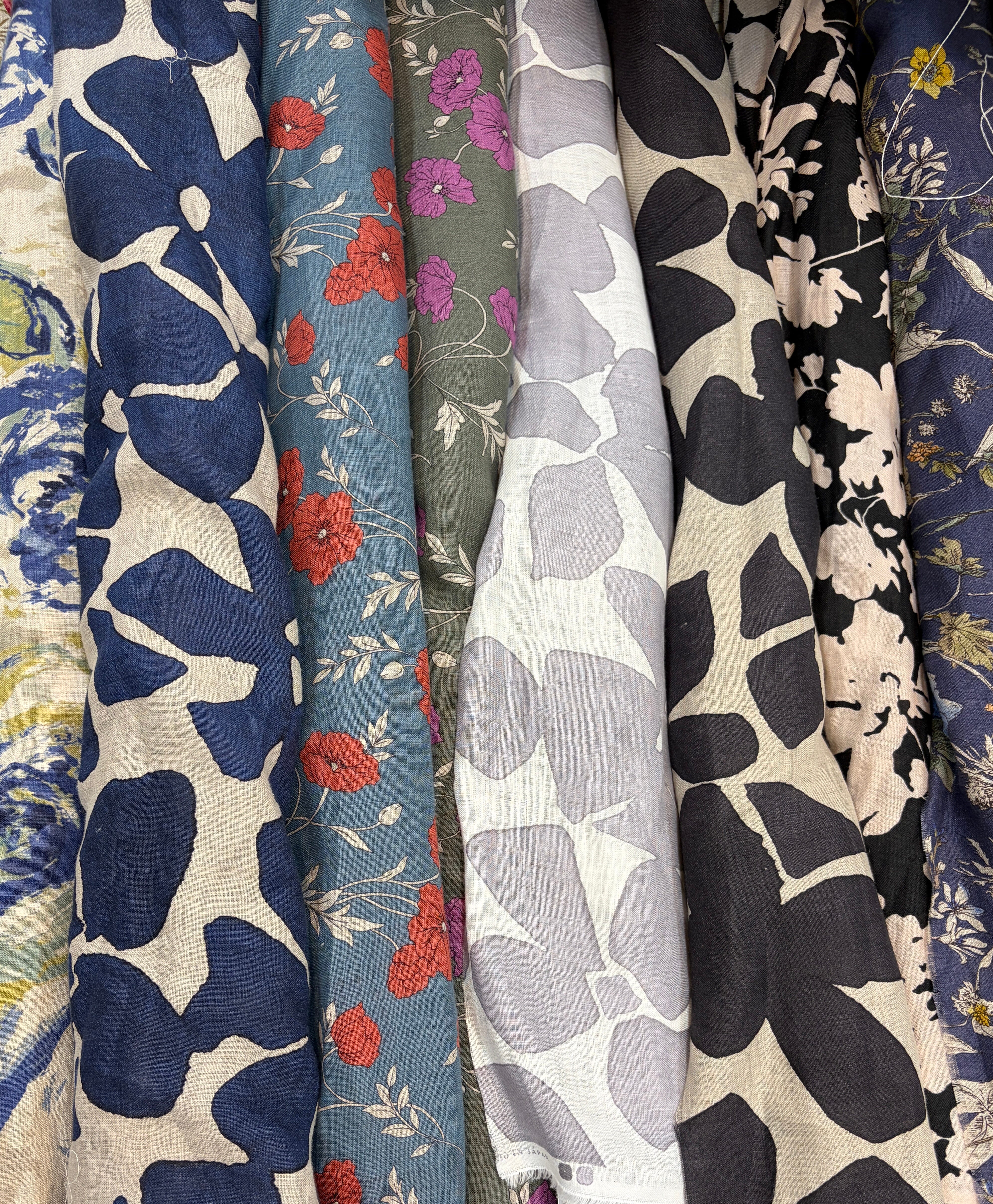
[Hokkoh fabrics at Nomura Tailor]
The best fabric/haberdashery shop was undoubtedly Nomura Tailor in Kyoto - superb range of quilting and dressmaking fabrics at a fraction of the price here, and a buying system which must be followed. We also went to Tomato in Nippori Fabric Town in Tokyo which was particularly good for quilting /craft fabrics
The fabled Itoya in Ginza in Tokyo was lovely and fabulous and has a wonderful range of chiyogami (many more than you can buy here), but we decided the best stationery place was Kyukyodo in Kyoto, a seriously beautiful shop (not far from Nomura Tailor). Also sells a huge range of calligraphy and other brushes
Across from Kyoto Museum of Crafts and Design there’s a lovely bookshop which is good for the Cochae origami packs, books in English, and children’s books
I had a hanko stamp made here in Kyoto. (There are other places which make them)


I thought for an awful moment you were in a Substack slump & going to give up writing your newsletter. Very relieved to find it was just jet lag and that will pass… because your Substack is my favourite….
Thank you so much Jane this is really helpful.
I already use Monzo but will definitely download a Suica card. The textiles, stationery and food recommendations literally made my heart jump with excitement! 😆
I am so looking forward to this trip.