a book a week

No, this is nothing as worthy or predictable as a 2026 resolution to read a book a week (I don’t count how many books I read, I just read). Instead, it’s an idea which I absolutely love, and which has taken hold in my mind since I first came across it a couple of weeks ago.
There is a bookshop in Ginza which opened in 2015 as “a Single Room with a Single Book”. It’s called Morioka Shoten and is a tiny place in Suzuki Building (1929), one of the few listed buildings in Tokyo. It has a plain, simple interior and very nice branding.
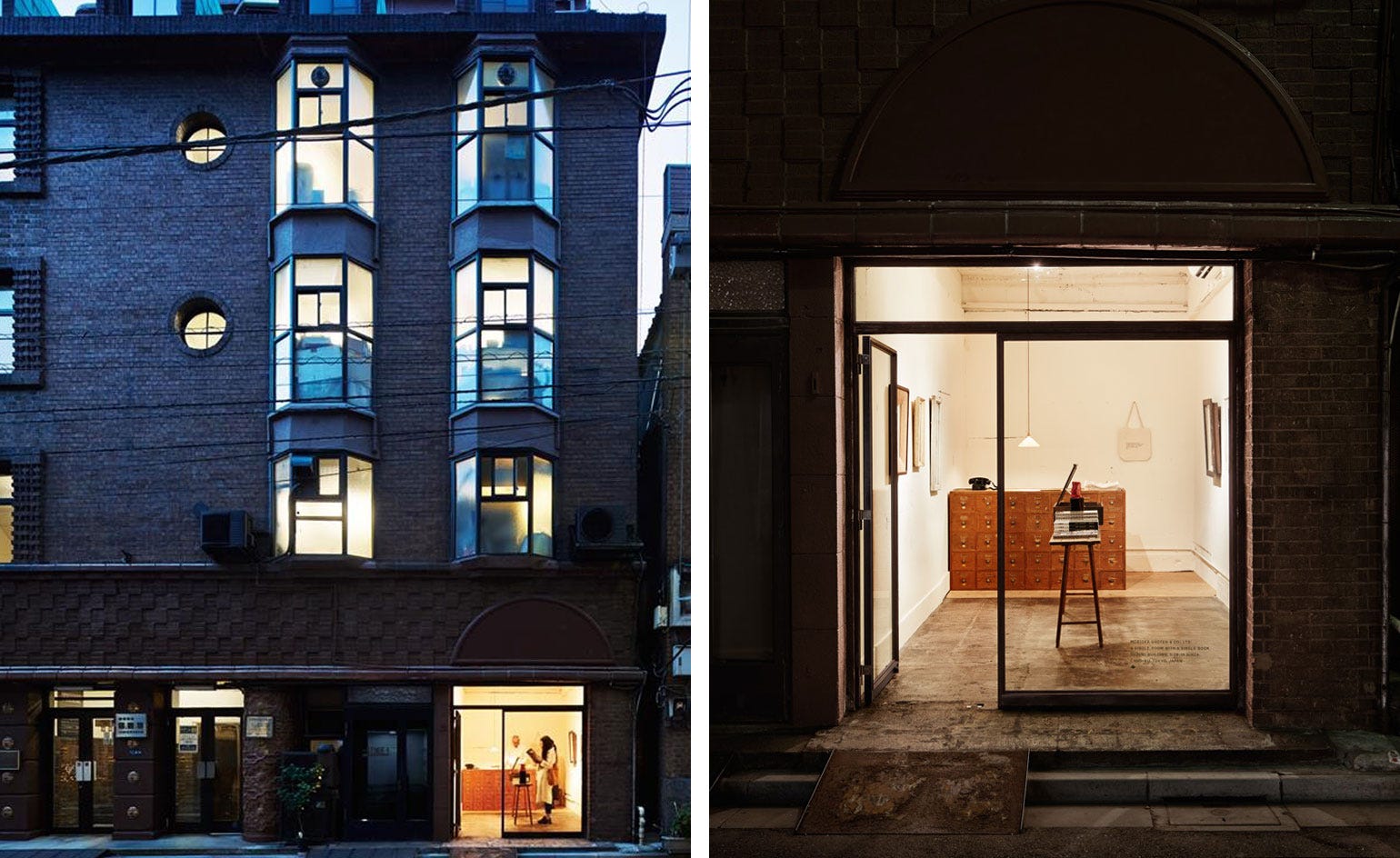
Each week, the owner Yoshuyuki Morioka sells multiple copies of just one book. Six days a week, he showcases one title. Of course, it’s not just the book which he is paying attention to, it’s everything about it. Because the book is just a catalyst, a jumping-off point for so much more. There might be an exhibition, an installation, an author’s talk, a workshop, a demonstration, an event, or all of these, to exploit what is contained in a single volume. It’s an opportunity to bring a book to life, to contextualise it, to be creative, go wild, have fun, and a radical way to rethink the concept of a bookshop.
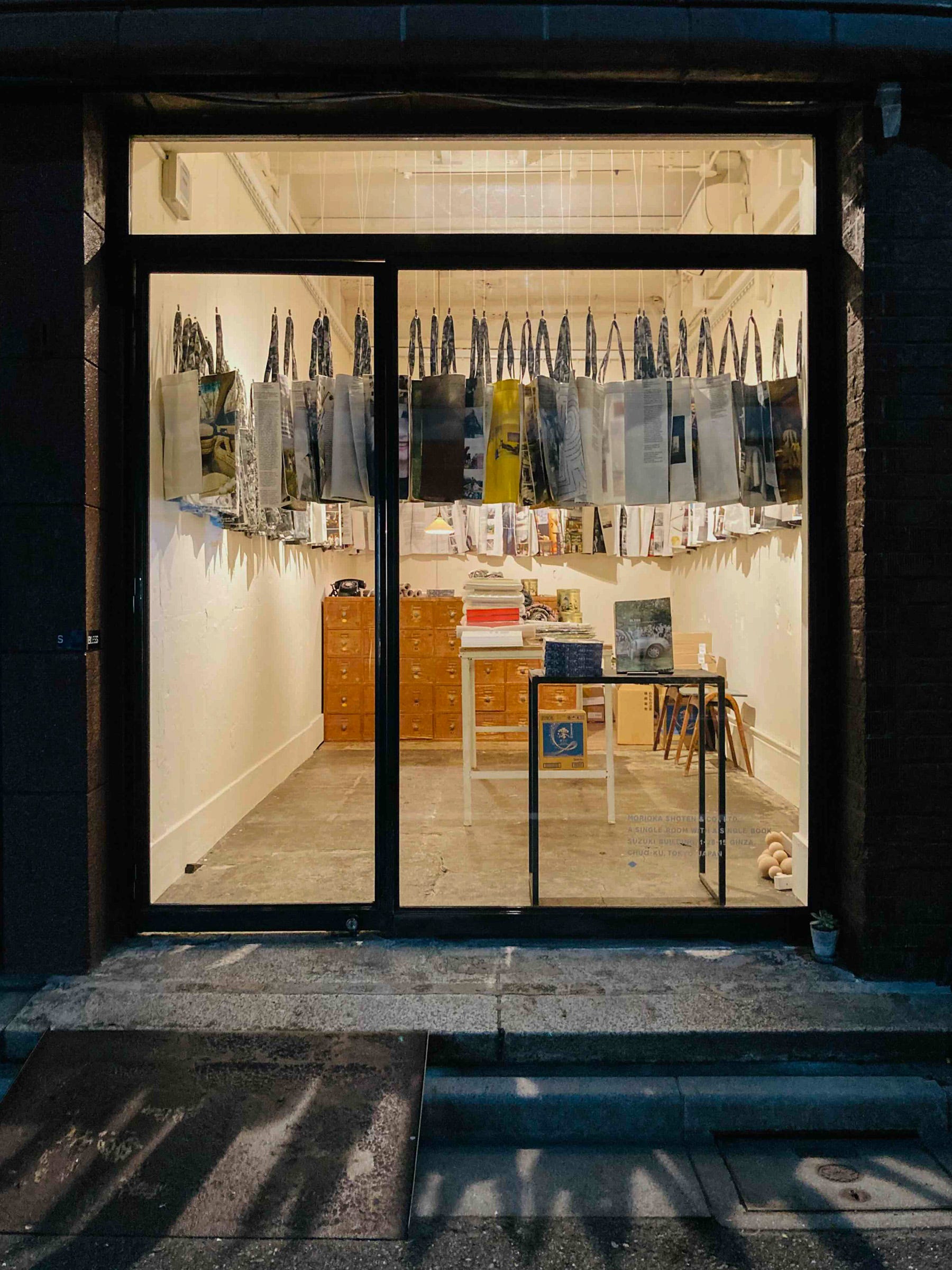
To give an example, this is what was created for the week of Bless Vol 3: 176 individually printed tote bags, each representing a page from the book.
Now I’ve not been to the shop, so I am only going by what I’ve seen and read (eg here and here), But I’ve spent a lot of time thinking about and playing with the idea because it is genius. There is so much you can do with it, provided of course you have the money, time, resources, because to do it properly would take a lot of work. And it’s clear that making money from selling one book a week is not the point. The point to make it the star of its own show and to surround it with connections thereby demonstrating just how much impact and inspiration a single book can generate.
So I wondered what I’d do if I had the chance to run the place for a few weeks, and these are three books I’d choose:
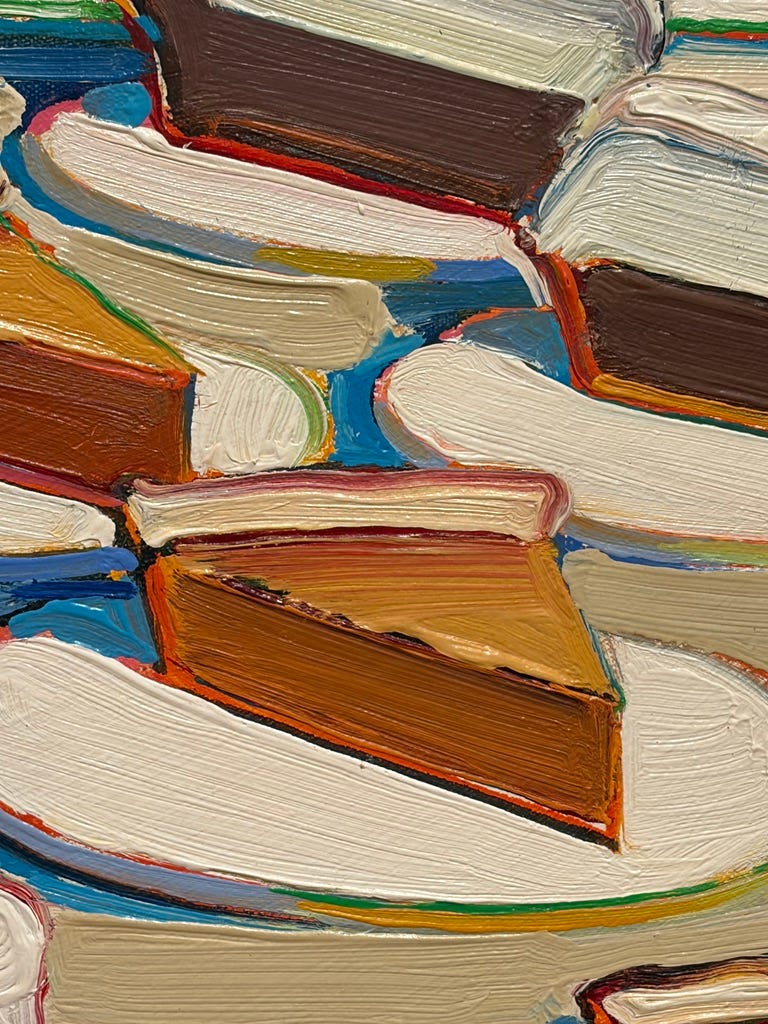
[detail of ‘Pie Counter’ (1963) by Wayne Thiebaud]
First, I’d sell a baking book. This would be Sift by Nicola Lamb who writes the brilliant Kitchen Projects on Substack. Her recipes are very carefully tested and the results are delicious. I don’t even like pumpkin pie but her maple pumpkin pie, as made by Simon Goode, was incredible.
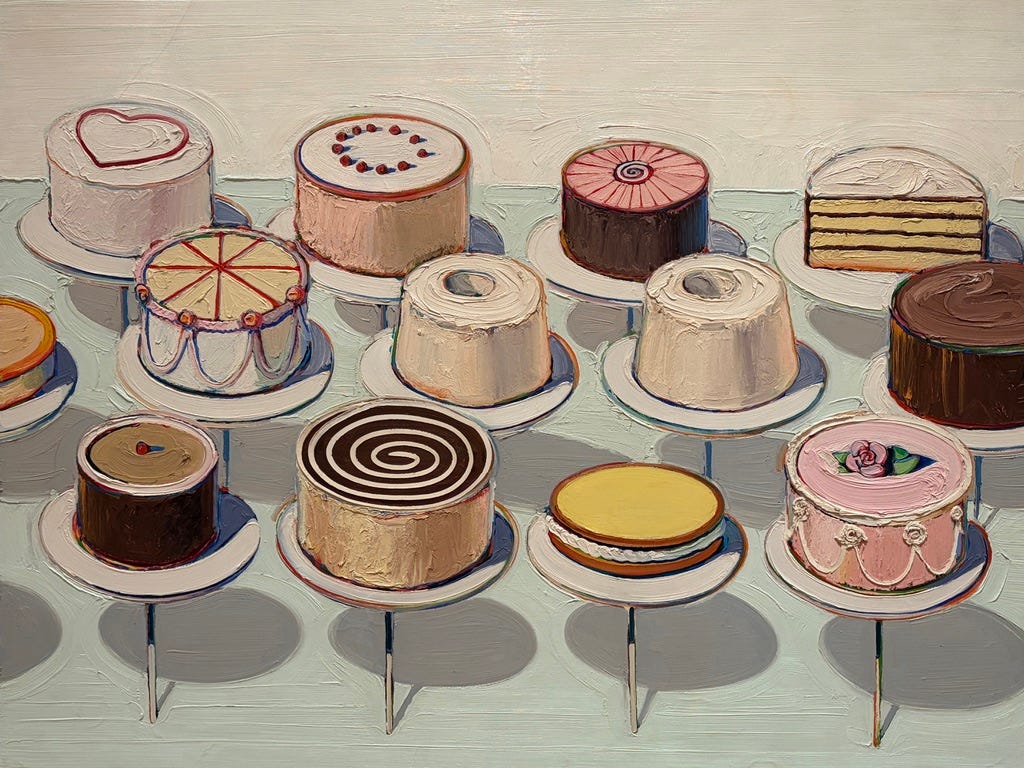
[‘Cakes’ (1963) by Wayne Thiebaud]
To exploit the potential deliciousness waiting to be made from the book, I’d borrow a couple of the totally fabulous Wayne Thiebaud paintings I saw at The Courtauld exhibition this week - or maybe I’d have to settle for prints to avoid insurance costs.
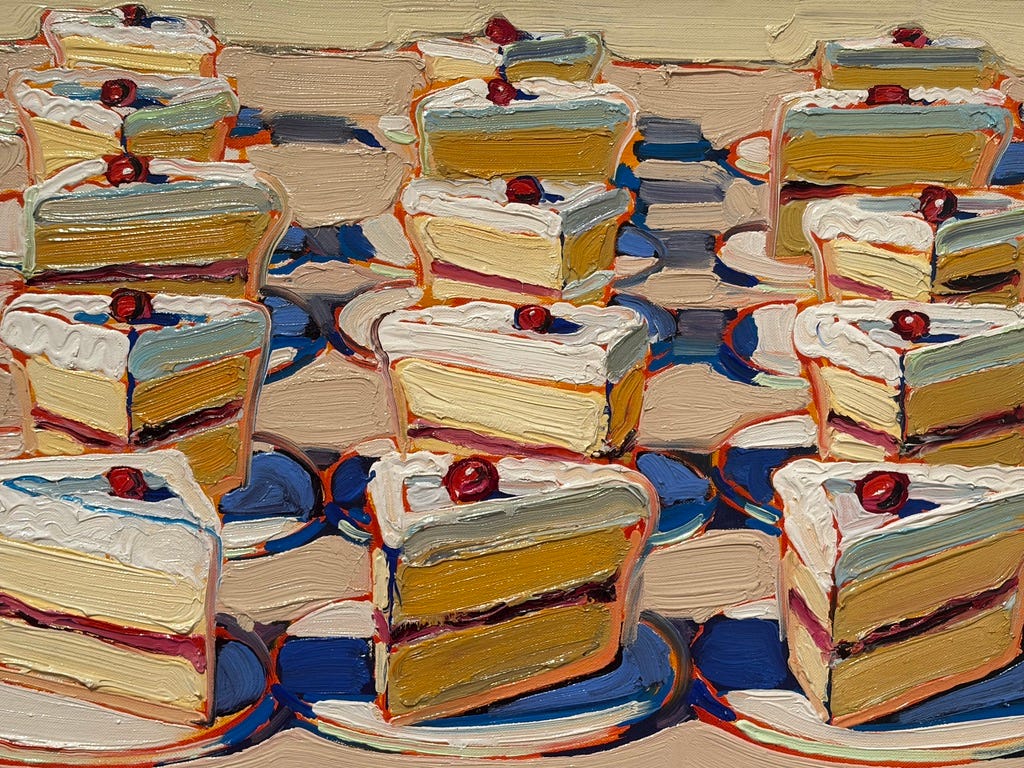
[detail of ‘Boston Cremes’ (1962) by Wayne Thiebaud]
I’d also have a copy of Laura Cumming’s exhibition review in which she relates a lovely story about her dealings with Thiebaud who was not only “a modern-day Chardin of the sandwich, damn fine coffee and cherry pie” but also a very nice man.
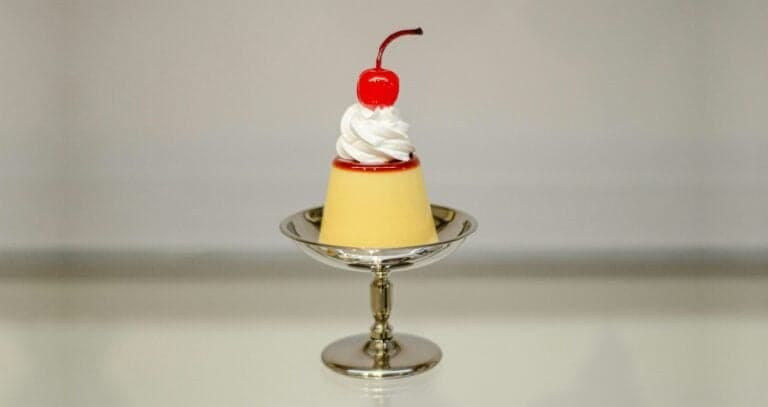
And as this is in Japan, I’d commission some amazing replica cakes, likes the ones we saw in the Japan House exhibition last year. There would be real cakes to eat, too, and a talk by Nicola Lamb. This would be a bit of squeeze - I know that her big events sell out - but we are keeping things very minimal here.
My second week would feature Smocked, a work in progress. By me.
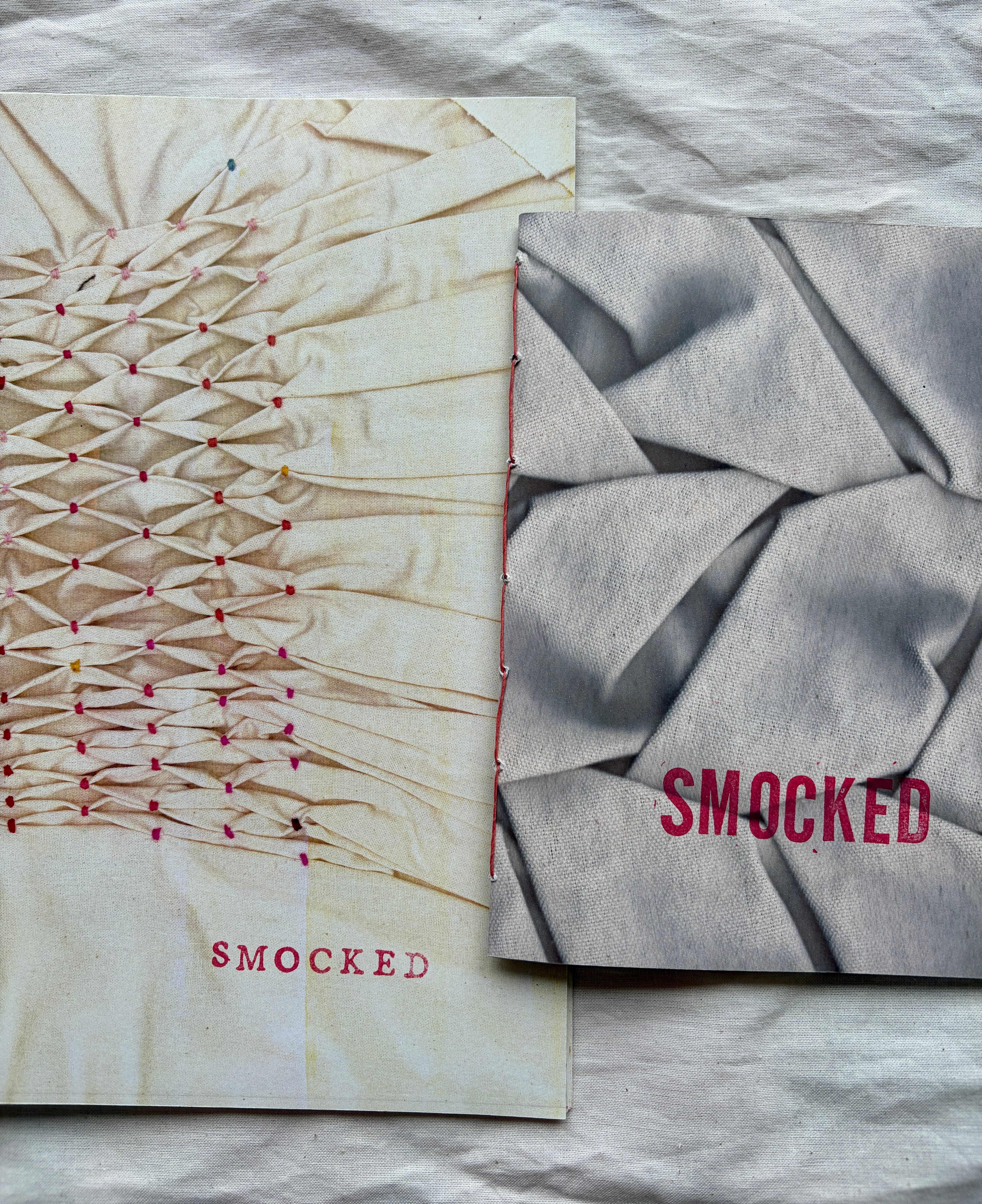
[‘Smocked’ ideas]
I’ve been wondering how I could get my smocking into a handmade book (you could call it an artist’s book if you want, but this term induces creative paralysis in me). So I’ve been copying pieces directly on my very basic home photocopier to see what happens,
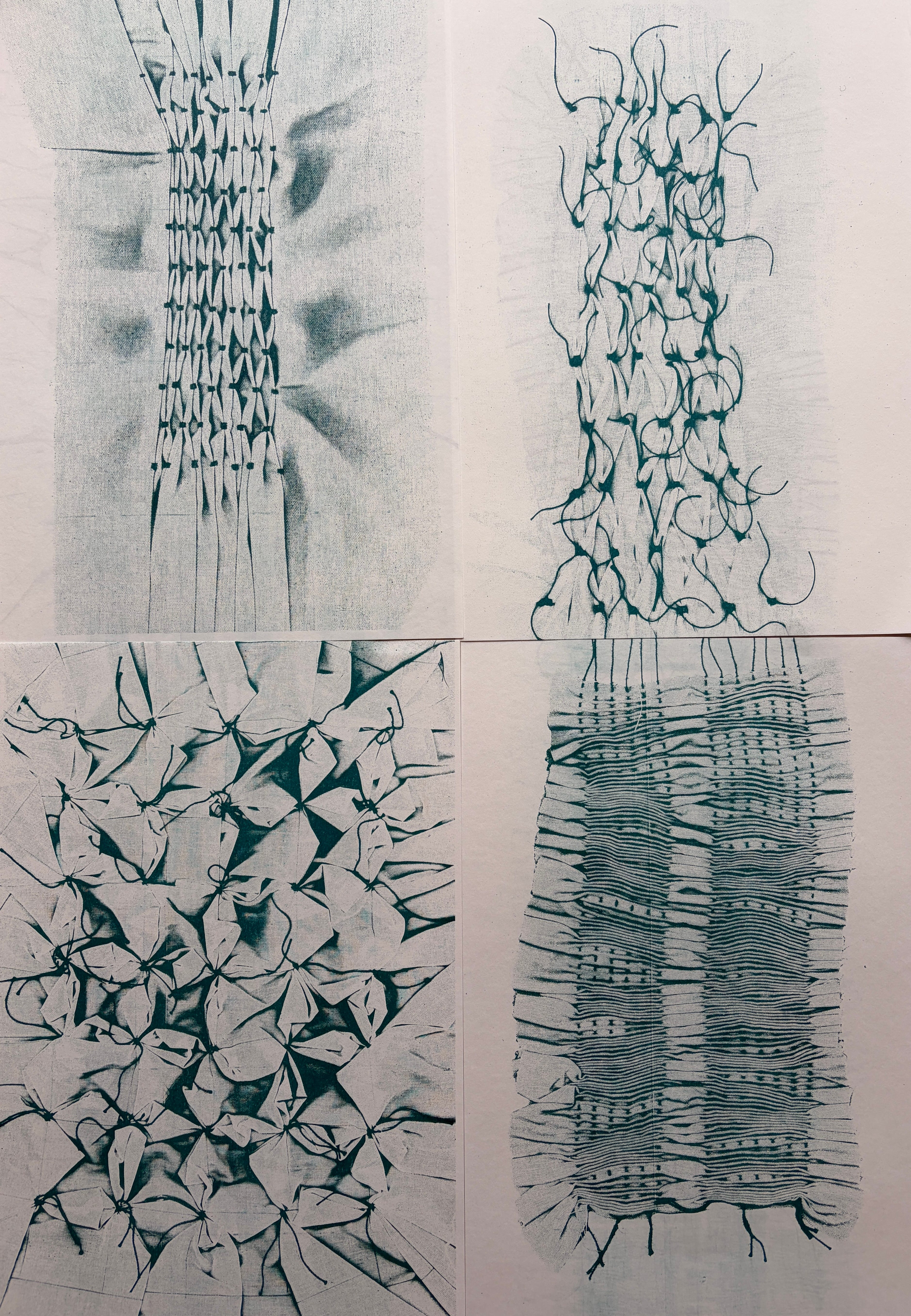
[riso prints]
and this week I did the same on the riso machine at LCBA. I know it would be technically more correct, maybe better, to scan or photograph the smocks then twiddle about with black and white conversions and Photoshop and stuff, but I actually really like just putting the fabrics on the machine’s flat bed and pressing the big green button. Someone had left the teal ink drum in the machine, and I was surprised by how much I liked the effects it creates. I also experimented with neon pink and aqua and overprinting, and decided I very much like riso prints. I’ll do more and bind them by hand into bigger books.
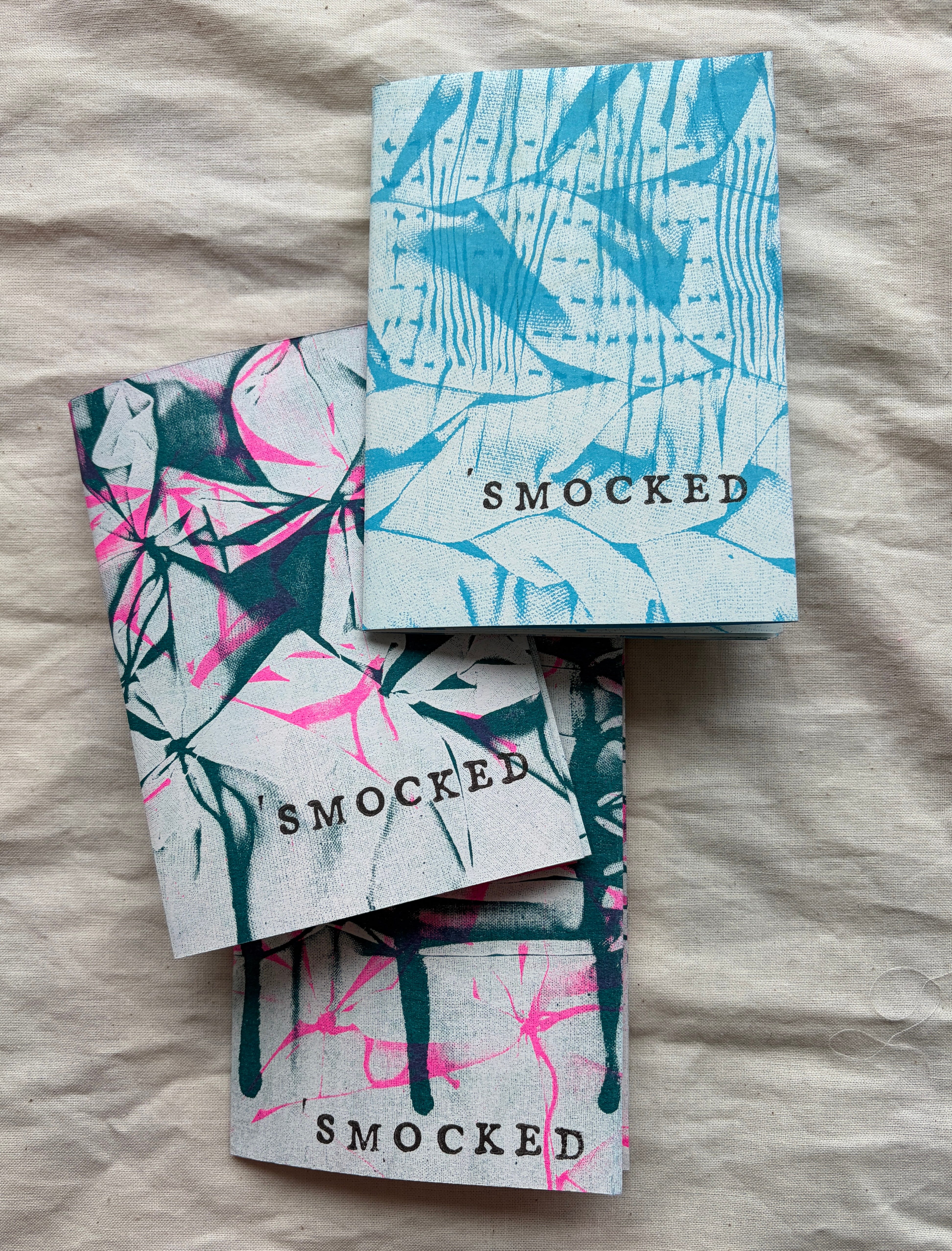
[‘instant’ books]
Or maybe just stick with instant books made from a single sheet of paper which open up to show a single image, like a poster, on the other side.
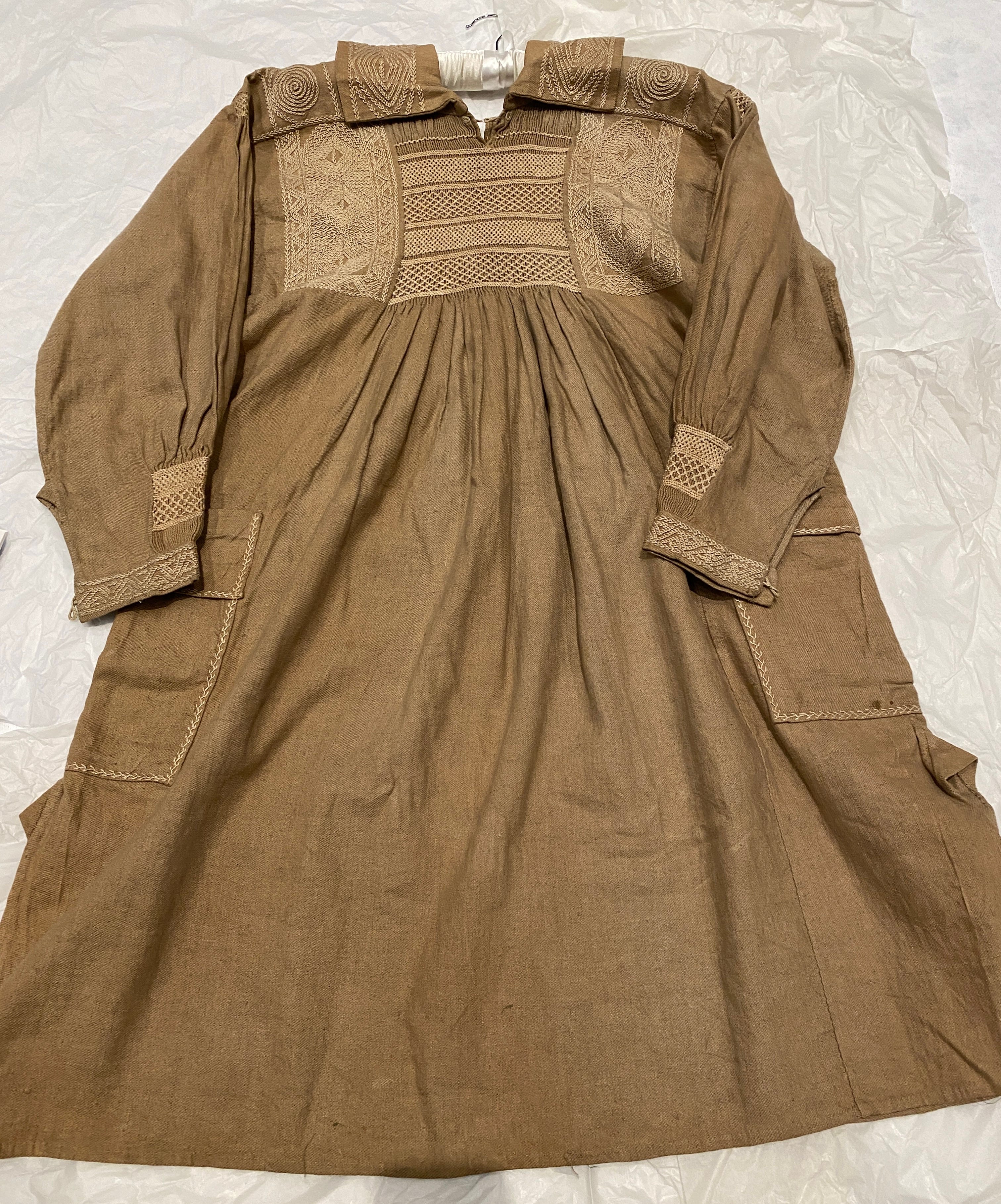
The walls of little shop would be covered with my smocking samples, and I’d display a few of the C19 smocks I’ve seen in the V&A collection. There’d be a smocking workshop, and a talk on “Smocking, Ancient and Modern”. Visitors could play with a Princess Pleater to produce their own pleated, ready-to-smock fabrics, and pick up and examine finished pieces to enjoy the wonderful, very satisfying movements which the pleating and smocking create. I’d install a riso machine for the week and in the background I’d be printing and binding new copies of the limited edition book, and single prints would be available (not sure if that’s allowed, but it’s my bookshop, my rules).
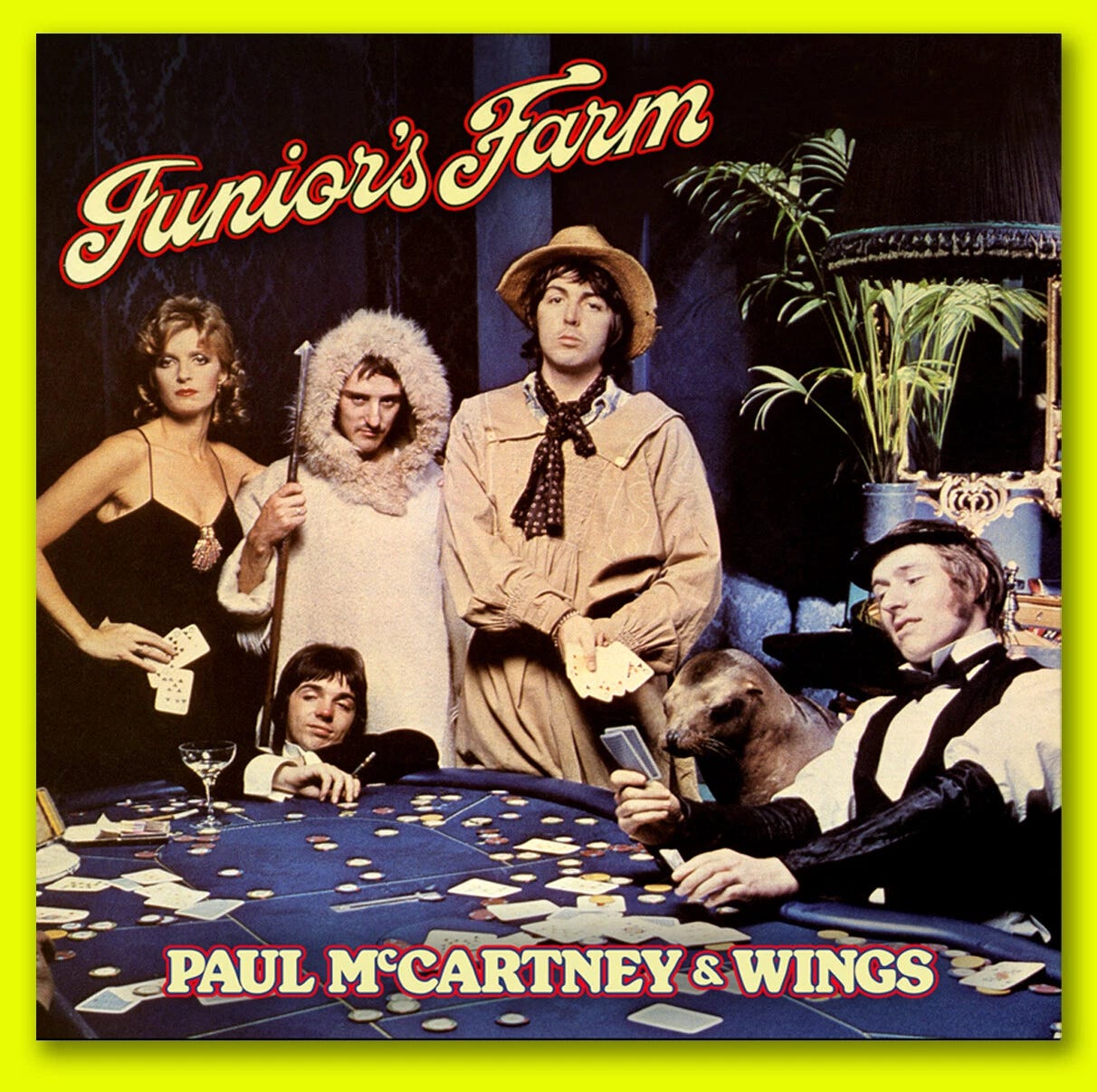
And I’d point everyone to the cover of Wings’ single Junior’s Farm because I knew I’d eventually find a Beatle wearing a proper smock.
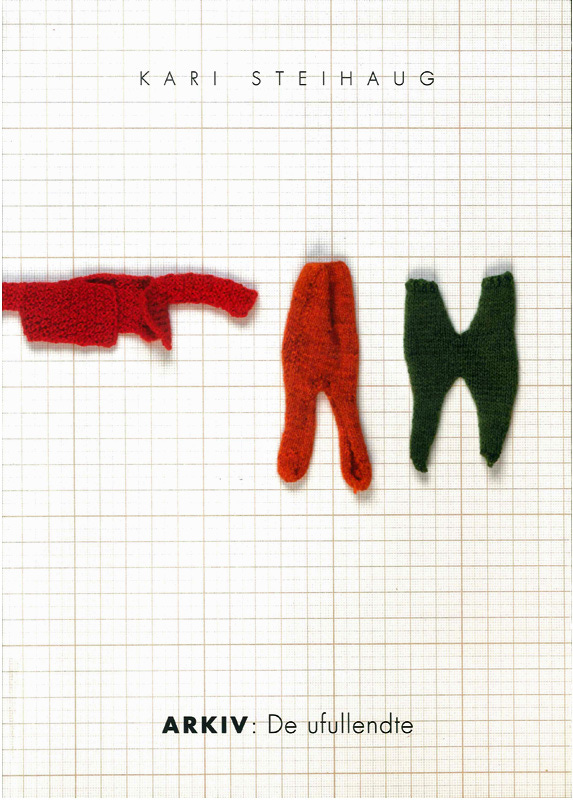
My third book would be Arkiv: De ufullendte (2011) by Kari Steihaug, which translates as Archive: The Unfinished Ones. With its theme of incomplete, abandoned projects, it’s a title which should appeal to many makers, and probably bring forth an avalanche of unfinished knitting (aka “works in progress”, the term we use to kid ourselves we will eventually get round to finishing) which has been sitting in cupboards and bags and drawers for years.
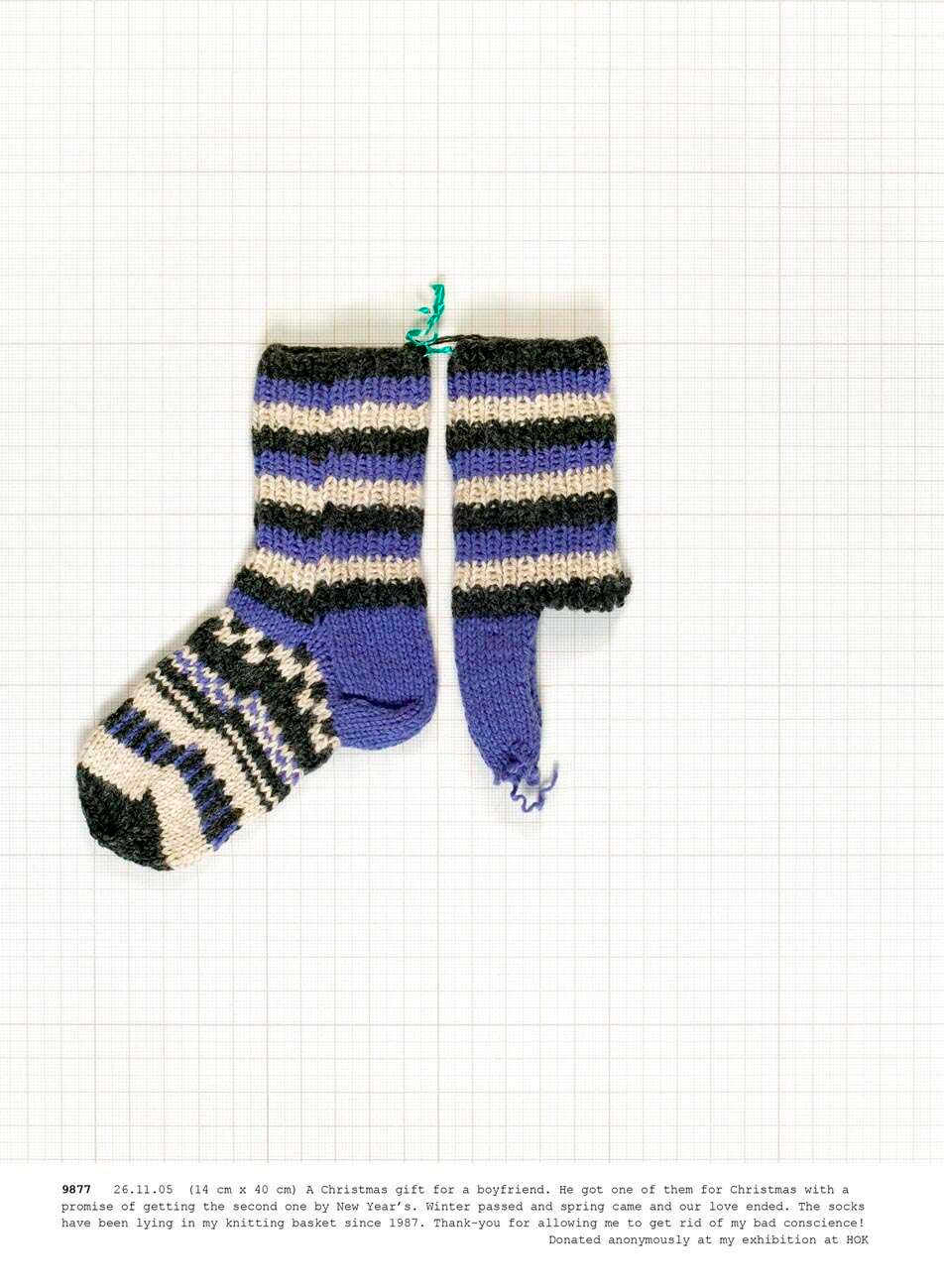
[each item is presented on a graph paper background like this, with an explanation of why it wasn’t finished]
This clearing-out would be ideal, as the call for unfinished knitting plus associated stories mirrors Kari Steihaug’s method of collecting for the book.
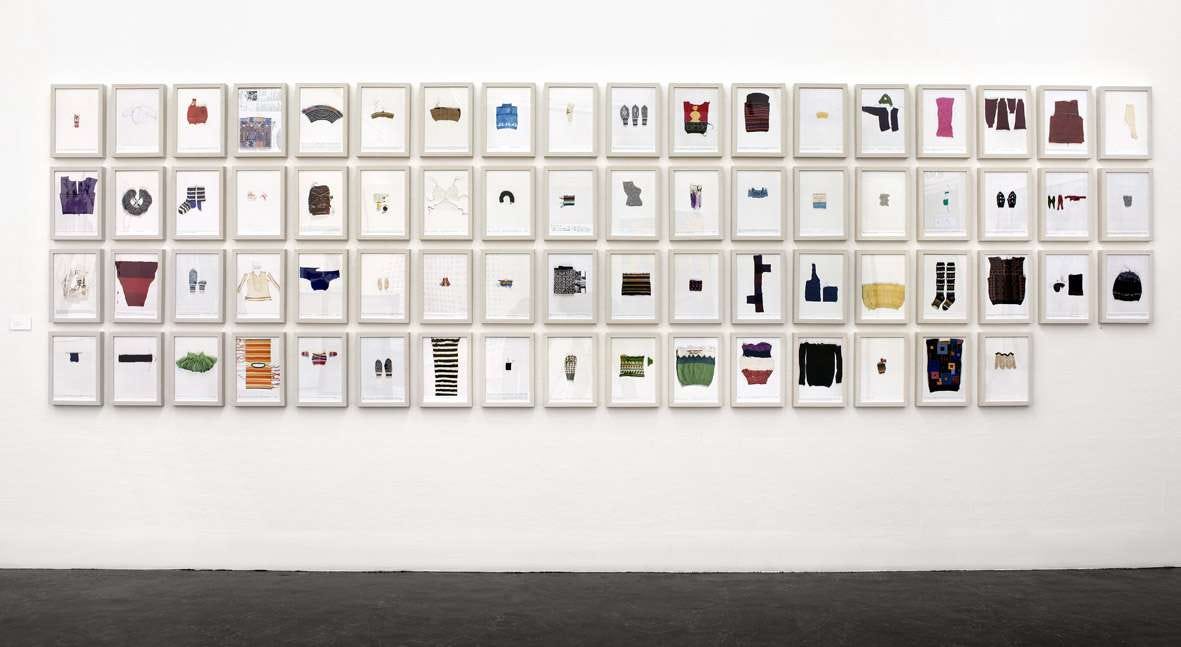
[exhibition of Unfinished Ones at the National Museum of Art, Oslo]
Those supplied would be exhibited on the walls, and tissues for the often sad stories would be provided. There’d be a finishing/not finishing workshop, therapy wool and needles would be available, and I’d organise an author’s talk on, and I quote, “the poetry in imperfection and about directing attention to something failed and lost” and the “knitted projects {which] didn’t gain the role in someone’s everyday life that they were intended for…[but]…became carriers of time and thoughts, sorrows and joys, hope and dreams”.
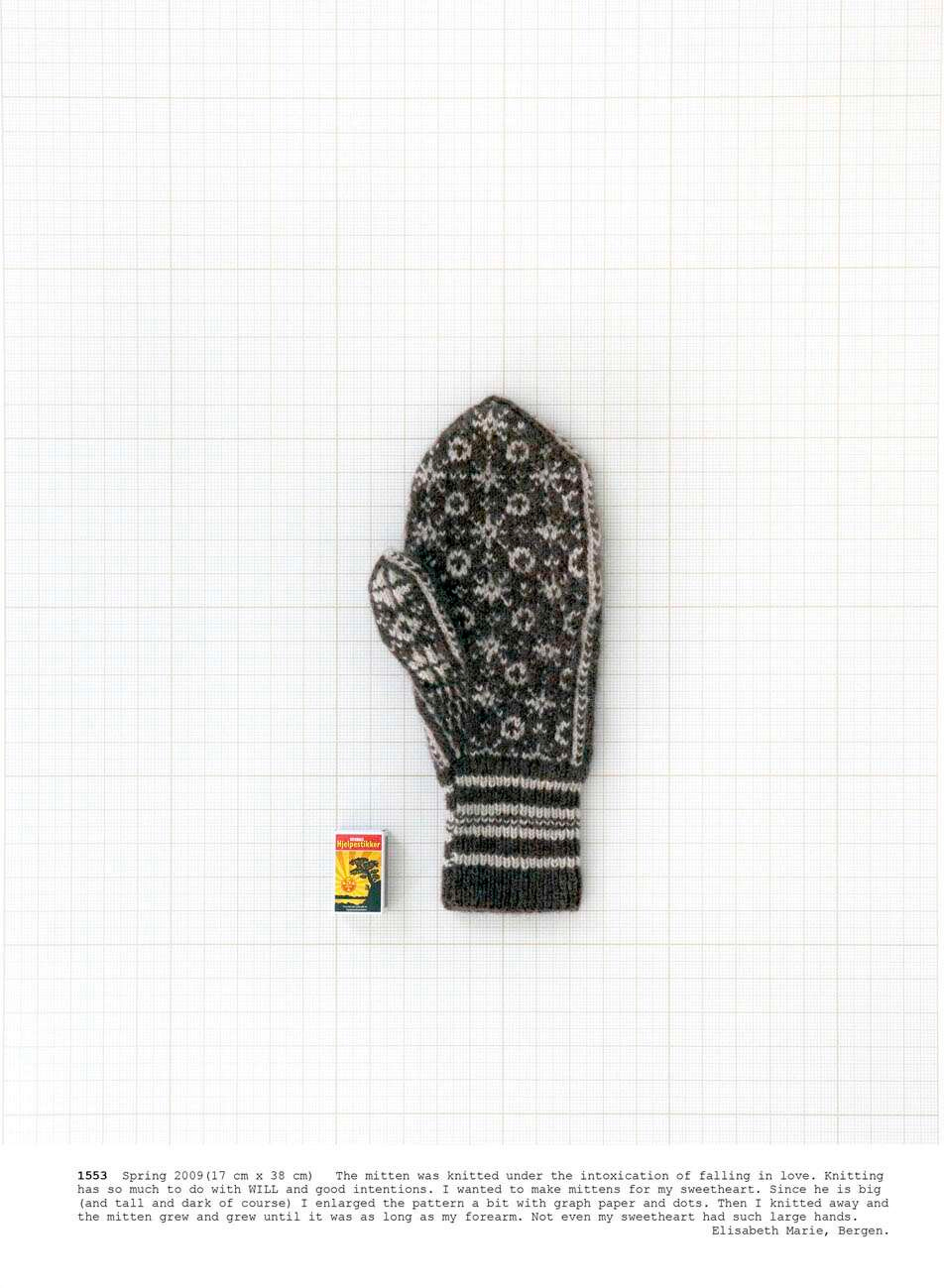
[great story - easier to read here]
It would be a lovely week of loose ends, no regrets, and moving on.
Which leaves just another forty-eight books to choose for 2026.
Happy Sunday!
This is a jolly idea and I would very much like to visit your bookshop (esp if there’s cake!)
On unfinished projects, a charity has started up near me where you can donate unfinished craft projects, and also buy other people’s unfinished projects that you’d like to finish. And they run classes to teach people how to do the various crafts.
I love this concept very much and how fun for you would it be to bring it to life! I recall a local home-gallery tour you wrote about previously - perhaps the smocking could go there?
Re: unfinished work, I suggested to my daughters over the holiday that they host an unfinished yarn project party, wherein guests bring their unfinished projects and swap them around - so you could eg take someone’s incomplete socks home and finish them yourself.